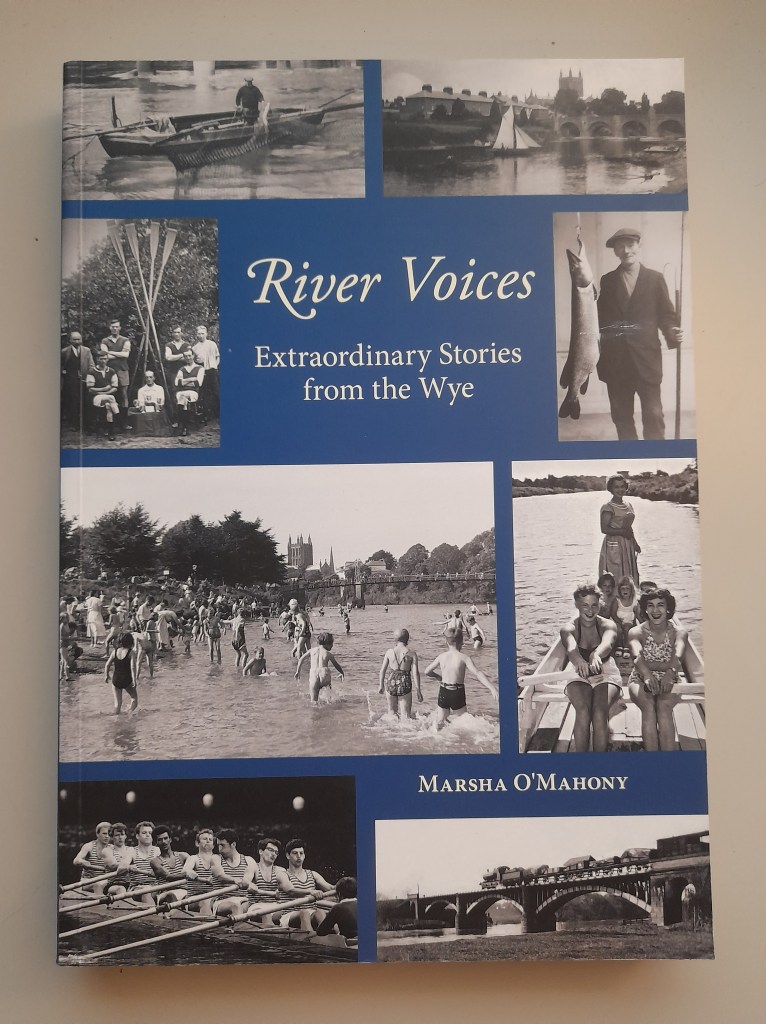
On 28th February, Marsha O’Mahony kindly came to talk to the Monday night stitchers about her project capturing the stories of people along the River Wye, which the Lugg flows into just below Mordiford. She has written a book and shared some snippets from this too.
Well worth a read
I didn’t record this talk as Marsha often gives talks locally about Herefordshire stories that she has gathered from its people and it is ell worth hearing them in person. Her background is journalism and she demonstrated her passion for following leads to unearth these hidden histories.
What I found most surprising were the stories of the River Wye teaming with salmon in the past and the overfishing that took place in the 60’s, 70’s and 80’s. Additionally the size of the fish caught was unexpected.
The River Lugg itself is more associated with brown trout (Salmo trutta) and grayling (Thymallus thymallus). Both are species of freshwater fish from the salmon family.
We were also introduced to the role of the unsung Ghillies on the river who helped out on fishing expeditions and were guardians of the river.
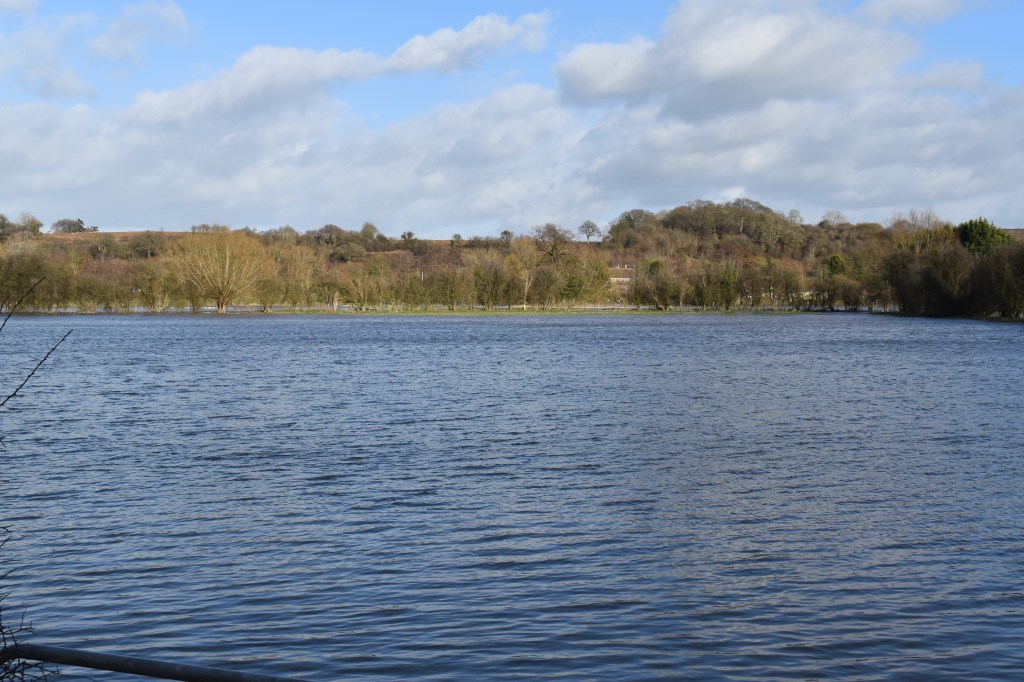
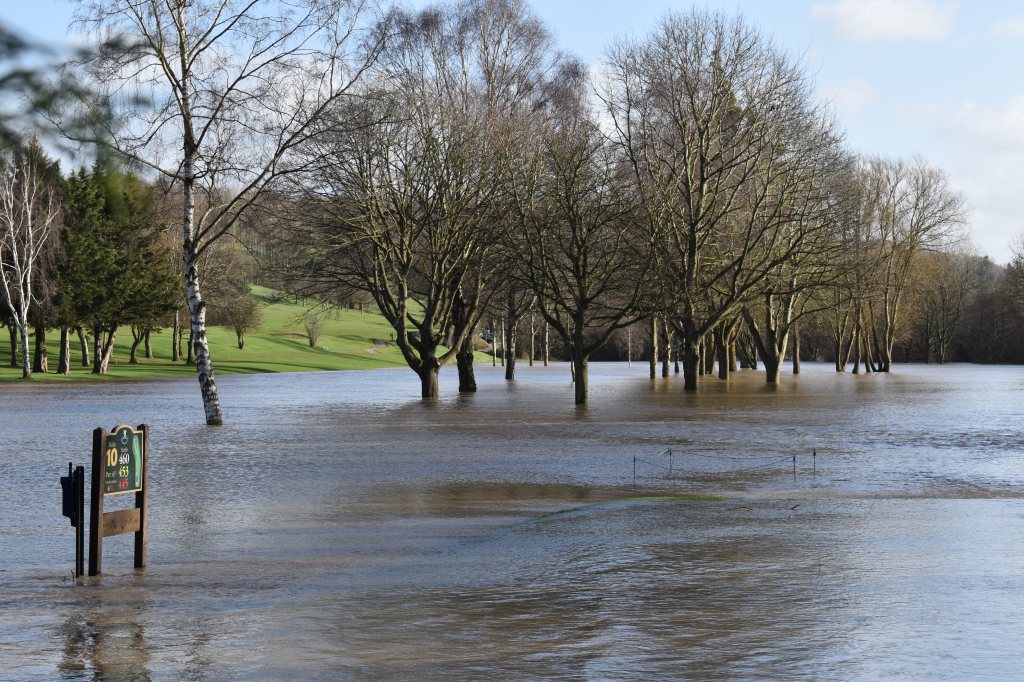
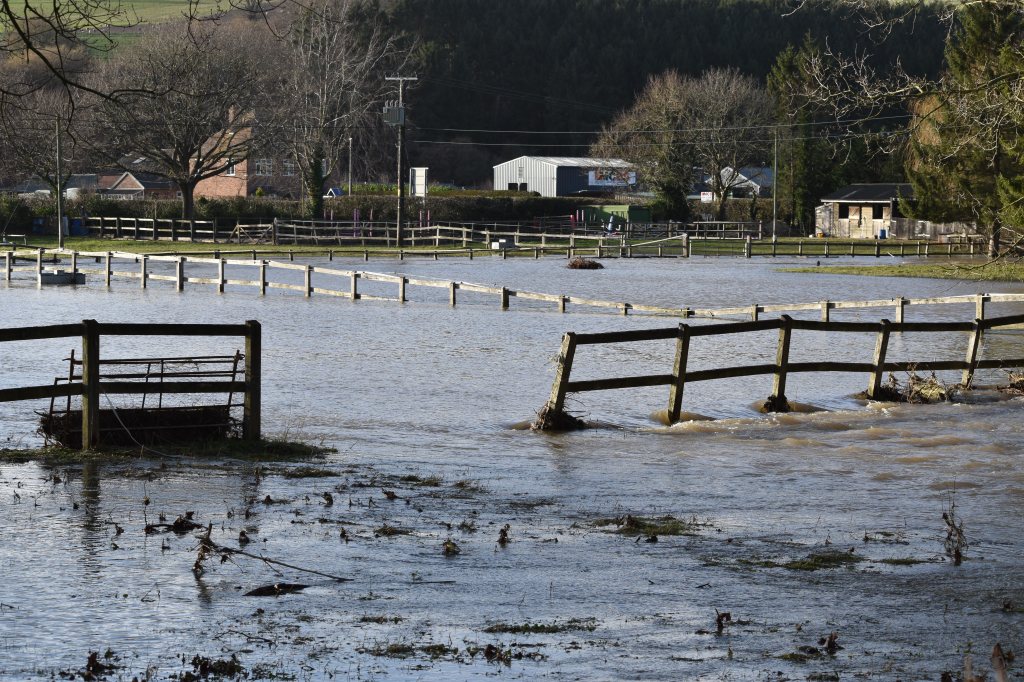
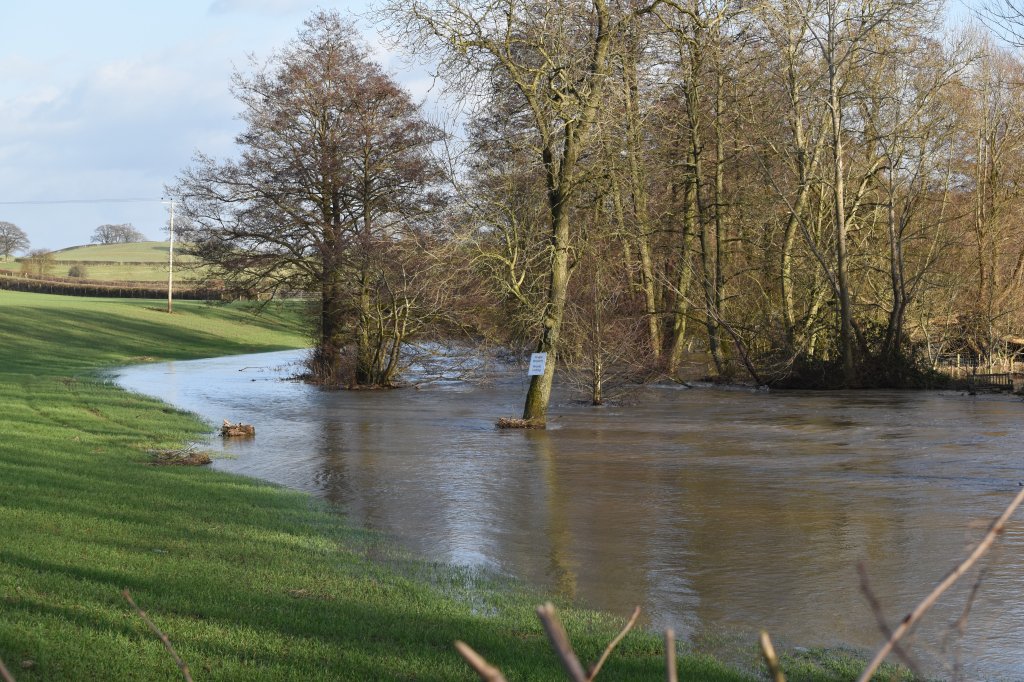
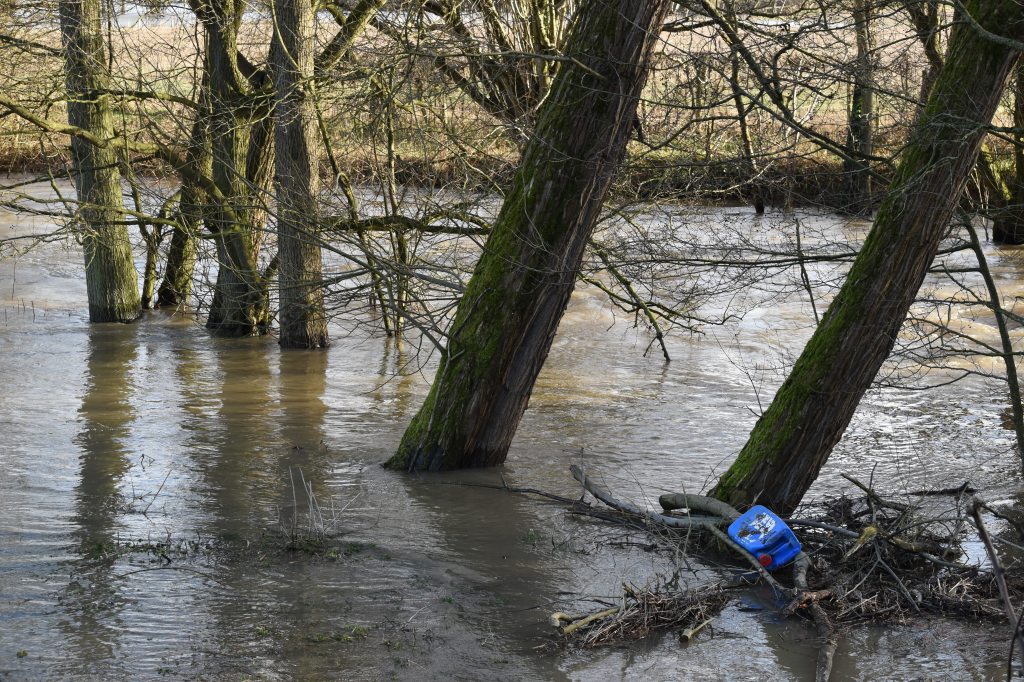
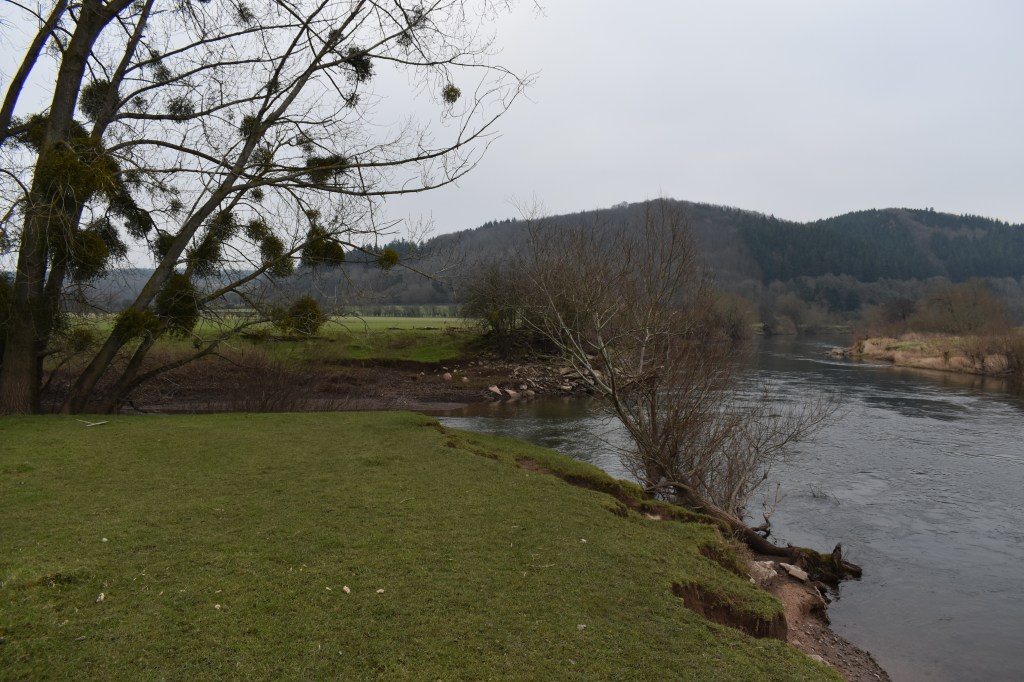
I went out on 21/2/22 to capture some images of the Lugg in flood from just below Leominster up to Mortimer’s Cross.
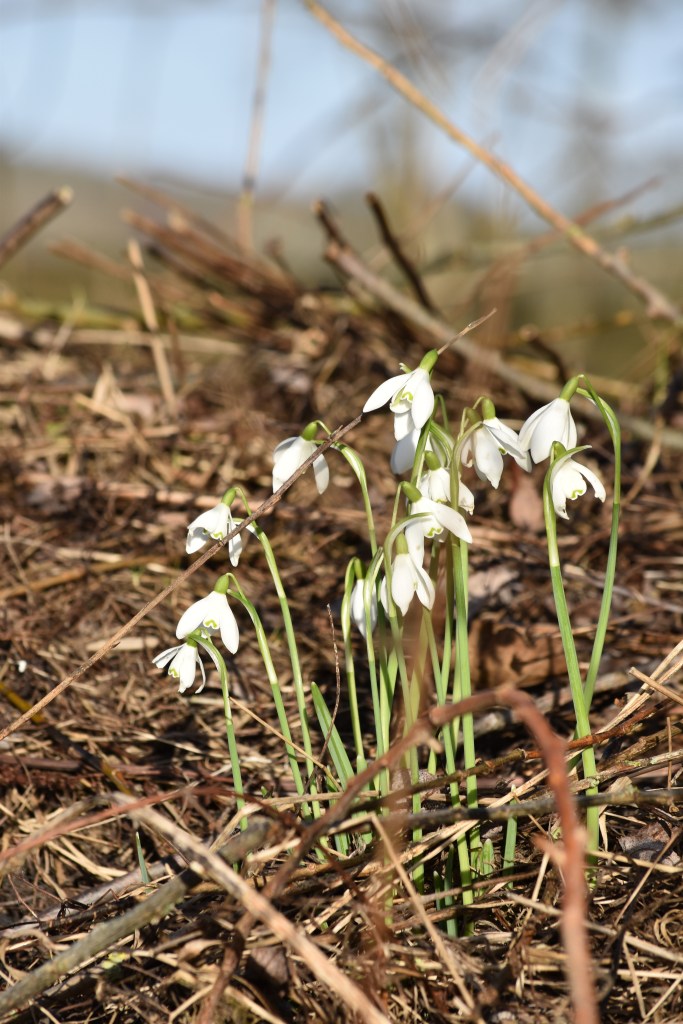
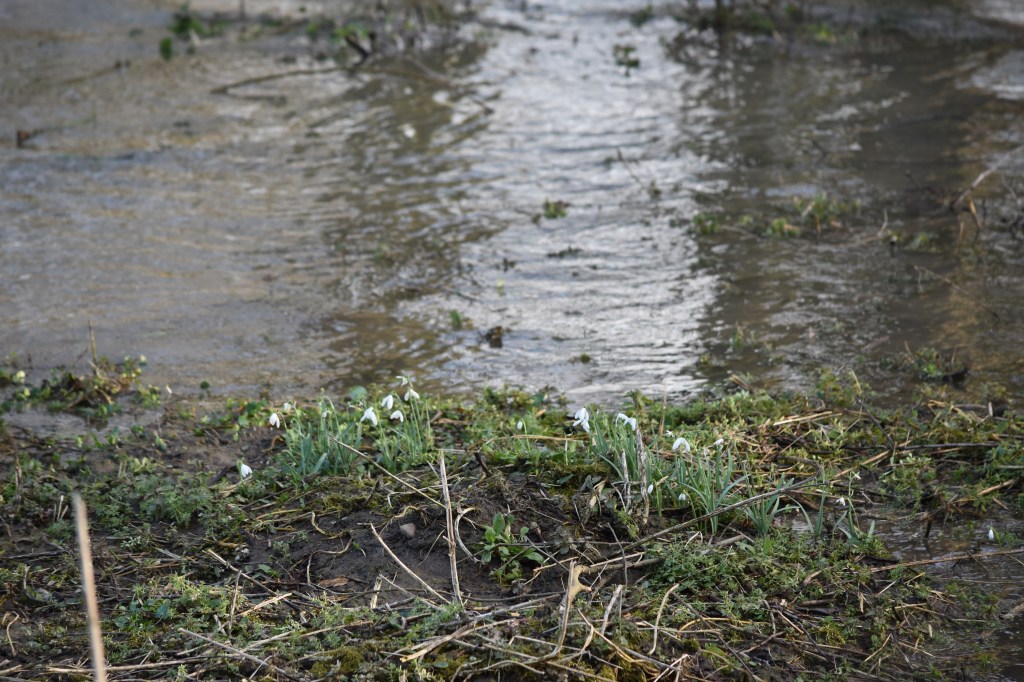
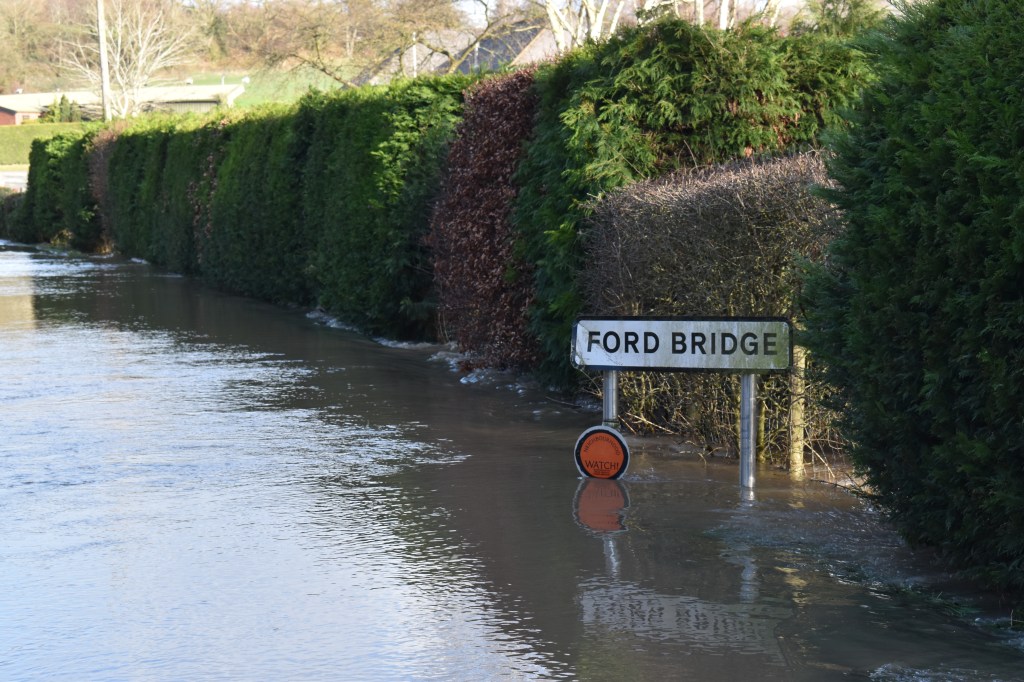
Looking towards Stoke Prior from the A49No driving through thisSoggy golf course at Ford BridgeKingsland BridgeLooking upstream at Kingsland BridgeLooking downstream at Kingsland Bridge where the bank had been altered in December 2020Snowdrops by the side of the Lugg at KingslandMortimer’s Cross upstream of the bridgeMortimer’s Cross downstream of the bridgeAccumulationsRiverside snowdrops at Mortimer’s CrossThe Weir at Mortimer’s CrossLooking upstream at the Weir
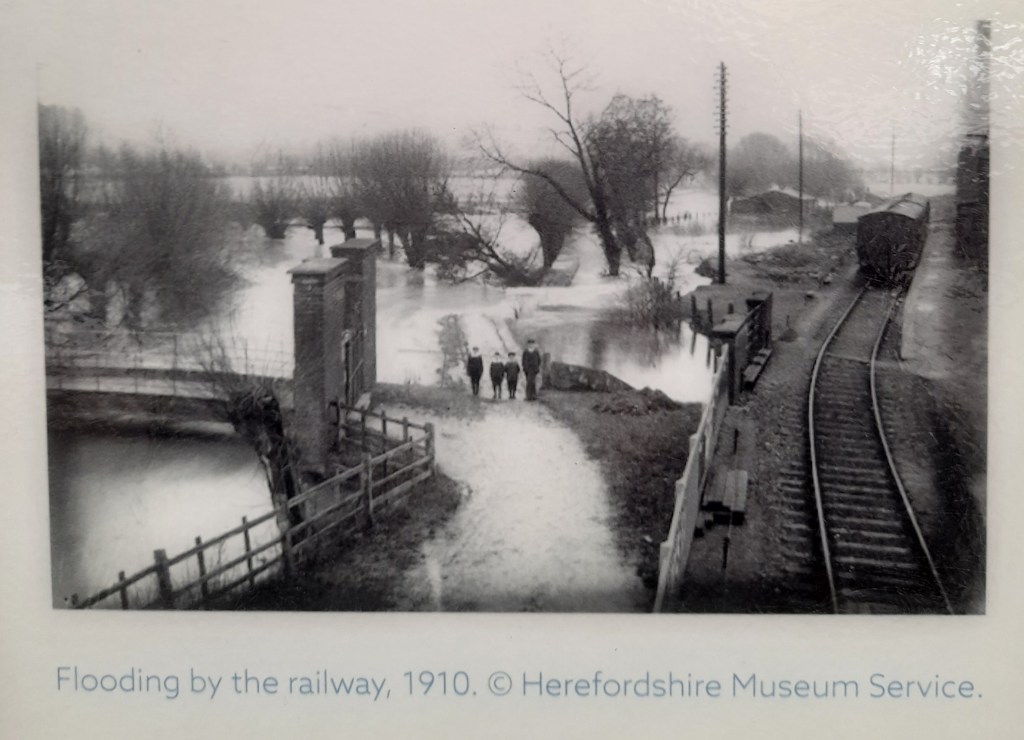
Photo of the Lugg flooding in 1910 by Leominster Railway Station, seen on Heritage board at Leominster station today
On 23rd February, the Lugg was in flood.
The Embroiderers at Rose Tinted Rags stitched snowdrops and composed a charm to help alleviate the floods across the county. One stitcher took the words home and wrote out the words in white ink on black card with enchanting illustrations reminiscent of the Mappa Mundi (image to follow).
Rose Tinted Rags composing a charm
A week later Artist Kate Green joined us and played and sang the words to the tune she had composed for it, with the stitchers permission.
Kate Green performing her tune written for ‘ A charm for the Lugg’ at Rose Tinted Rags
The following week later, Poet Robert Crompton read the words to the Thursday Leominster group, and we were all pleased to find that the charm had worked its magic; the floods waters had subsided!
Robert reading ‘A charm for the Lugg’
The stitchers at Rose Tinted Rags were delighted to hear their poem read and we listened to it a few times, playing it again to a visitor that day whilst we stitched.
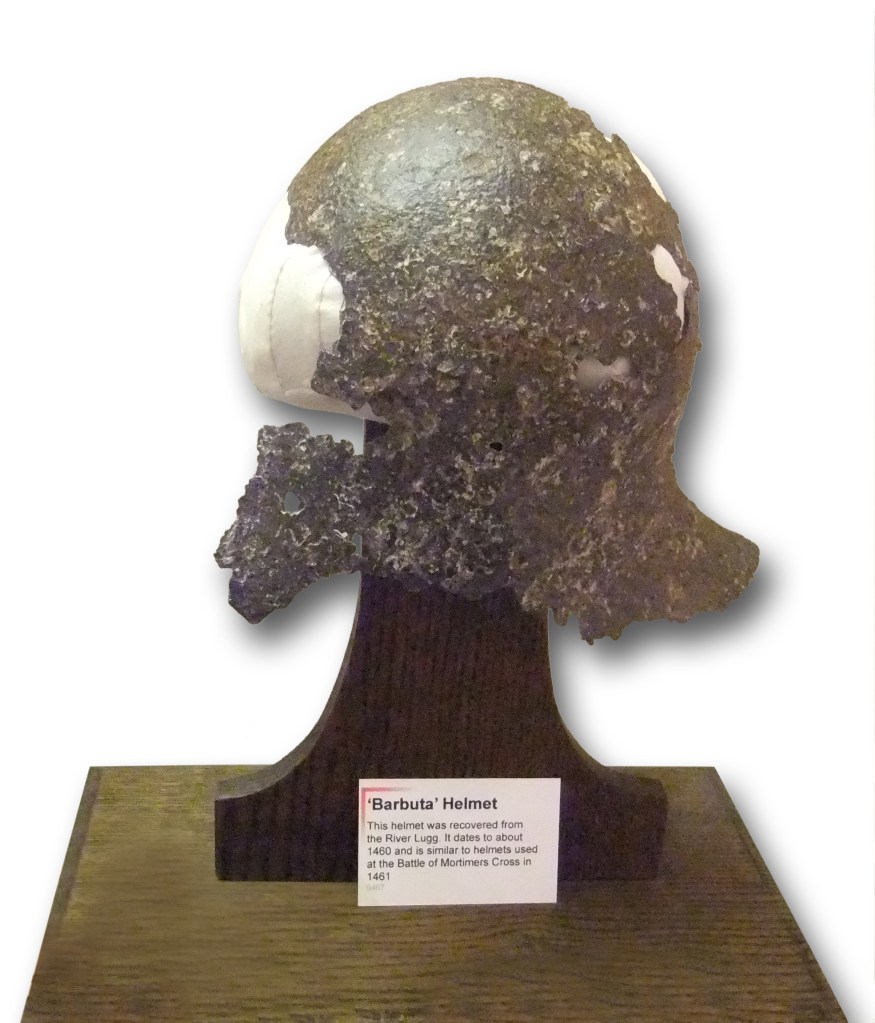
15th Century helmet found in River Lugg (image from Wiki Commons)
On 21st February, one dark Monday evening, Jason O’Keefe, historian and battle re-enactment specialist kindly came to talk us through the Battle of Mortimer’s Cross which took place in 1461 flanked by the River Lugg, somewhere, it is thought, between Kingsland and Mortimers Cross. He spoke of the main protagonists and historical evidence for what is known of the battle.
Below is a recording of the talk, with Jason’s permission to share it, although obviously you cannot see the slideshow. The talk ends with his description of the 15th century helmet found in the River Lugg just below Mortimer’s Cross; this is now in Hereford Museum.
Jason O’Keefe’s talk given to The Lugg Embroiderers about The Battle of Mortimers Cross
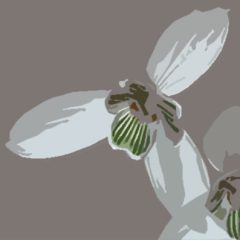
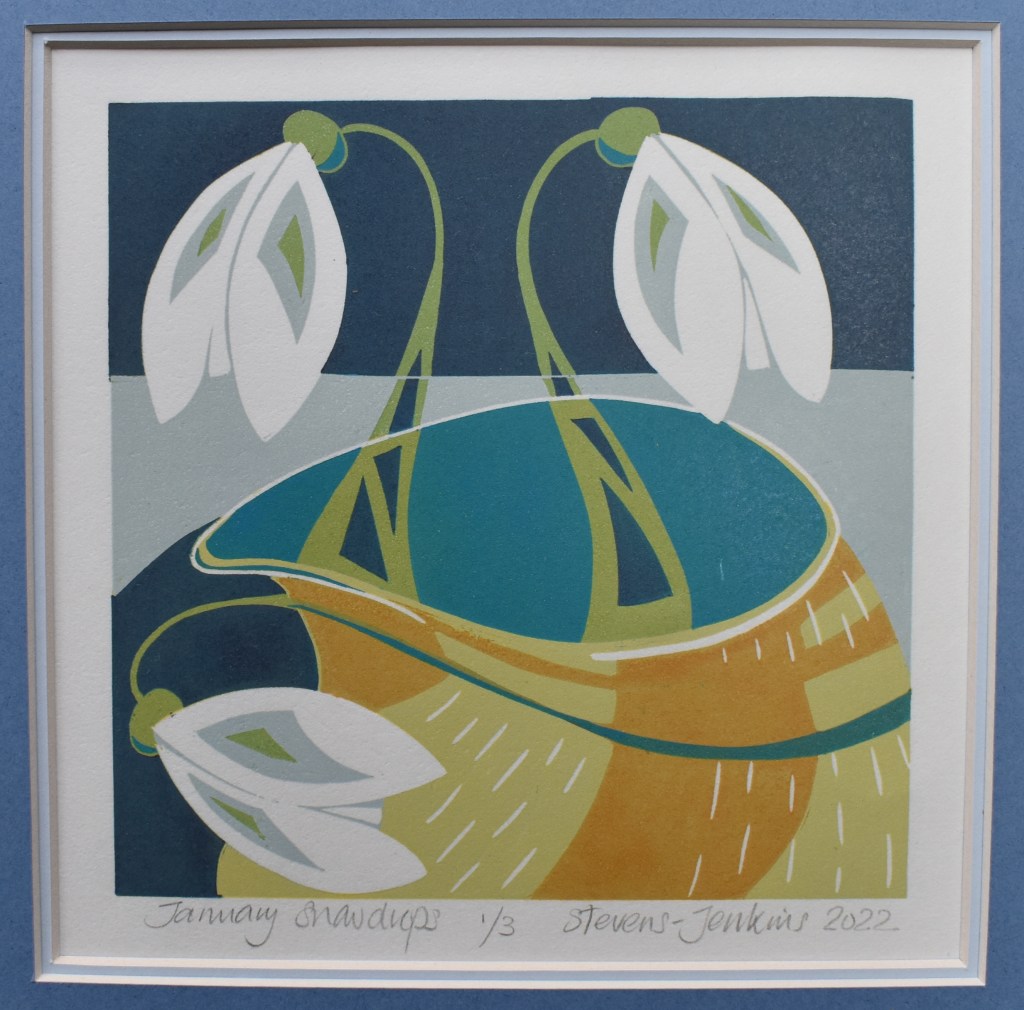
‘January Snowdrops’ linocut by Susan Steven-Jenkins, 2022
One of the Lugg embroiderers, Susan Stevens-Jenkins is a printmaker and I spied this linocut of hers on social media. I have purchased it as a personal momento of this project with its new connections made with people in the community and special times spent stitching together. Each colour layer is separately printed one over the other so you can imagine how diffcult it must be to keep an image so crisp and clear as she has done here. I love the sweeping curves throughout.
Sue will also be showing her work at our first exhibtion on 30th April – 2nd May as part of the Marches Makers Festival. This will be held at at Herefordshire Wildlife Trust’s Birches Farm Nature Reserve Visitors’ Centre, HR5 3EY.
The exhibtion is called Heart of the Matter II – Responses to Nature from the Marches‘ and is curated by Michael J Hancock. As well as showing this projects work by The Lugg Embroiderers (us) and printmaker Susan Stevens-Jenkins it will also show works by: Nancy Frost (ceramics), Nick Clarke (furniture), Lorenzo Gavarini, Jane O’Connor, Rose Tinted Rags (paint), Michael J Hancock, Graeme Hobbs (print), Inga Sipcenoka (textiles).
The address is Birches Farm Nature Reserve Visitors’ Centre, HR5 3EY. Open Sat, Sun & Mon 10am – 5pm. Please be aware there is a small step and some rough ground.
Robert Crompton kindly offered to attempt to read the Seventh Song of the Poly-Olbion poem by Michael Drayton. I had been alerted to it by Pete Blench, Leominster’s local Historian who said there was a 1600’s long poem about the Marriage of the Lugg and the Wye. It was written in 1612 and as a whole, is a topographical poem decribing England and Wales.
Where the Lugg meets the Wye, just south of Mordiford
It has thirty songs completely, each describing between one and three counties. It was also a collaboration with William Hole who added illustrated maps of each county, with places depicted by applying human and non-human traits and emotions. It was also accompanied with work by John Selden in the form of summaries of history and text.
William Hole’s frontispiece (from the Folger Shakespeare Library [http://luna.folger.edu/luna/servlet/s/7ihql3])
Even the Poly-Olbion seventh song itself is very long, so Robert tried to find a natural break and ended up reading one part of it today and the second part two weeks later. However to warm us up he first read a lovely poem by E.V Knox that he had found that mentions the River Lugg called Hell in Herefordshire. It was written as a riposte to the Bishop of Hereford who had been bemoaning the evils of cider. Knox was the editor of Punch at the time and lived in Herefordshire. it especially made me laugh as each year my husband gathers as many apples as possible to press and brew sparking cider in the garden, or ‘quider’ which is his mix of apples and quince donated from a neighbour’s tree.
Hell in Herefordshire
The wild white rose is cankered
Along the vale of Lugg;
There is poison in the tankard;
There is murder in the mug.
Through all the pleasant valley
Where stand the pale-faced kine,
Men raise the Devil’s chalice
And drink this bitter wine.
Unspeakable carouses
That shame the summer sky
Take place in little houses
That look towards the Wye.
And near the Radnor border
And the dark hills of Wales,
Beelzebub is warder,
And sorcery prevails.
For, spite of Church and chapel,
Ungodly folk there be
Who pluck the cider apple
From the cider apple tree,
And squeeze it in their presses
Until the juice runs out,
At various addresses
That no-one knows about.
And, maddened by the orgies
Of that ungodly brew,
They slit each others’ gorges
From one a.m. till two,
Till Ledbury is in shambles,
And in the dirt and mud
Where Leominster sits and gambles,
The dice are stained with blood.
But still, if strength suffices,
Before the day is done,
I’ll go and share the vices
Of Clungunford and Clun
But watch the red sun sinking
Across the March again,
And join the secret drinking
Of outlaws at Presteigne.
E.V. Knox
Robert Crompton reading ‘Hell in Herefordshire’
The feeling of stitching whilst being read this poem was extrordinary. It felt as though we were travelling in a hot air balloon looking down on the landscape of the Marches; its almost a conversation between the mountains and the valleys, connected by the rivers. Robert did well to read the Old English and brought it to life for the stitchers. The place names acted as place holders, orientating us in the flight.
Robert Crompton reading roughly the first half of the Seventh Song from Poly-Olbion
Robert Crompton brought along his own poem about Pinsley Brook and the trees that line it to read to the stitchers on 3rd March 2022. It’s a delight, click below to hear it:
Robert Crompton’s own poem about Pinsley Brook
To hear the second part read by Robert on 3rd March click below. He reads so well he is now in demand for a Festival day in Leominster on July 8th as part of the Council’s Save the Lugg campaign.
Robert Crompton reading roughly the second half of the Seventh Song from Michael Drayton’s Poly-Olbion, written in 1612. Poet Robert Crompton reading to The Lugg Embroiderers
Thank you Robert, I love the idea that all these words were somehow captured in the listening stitchers’ embroideries.
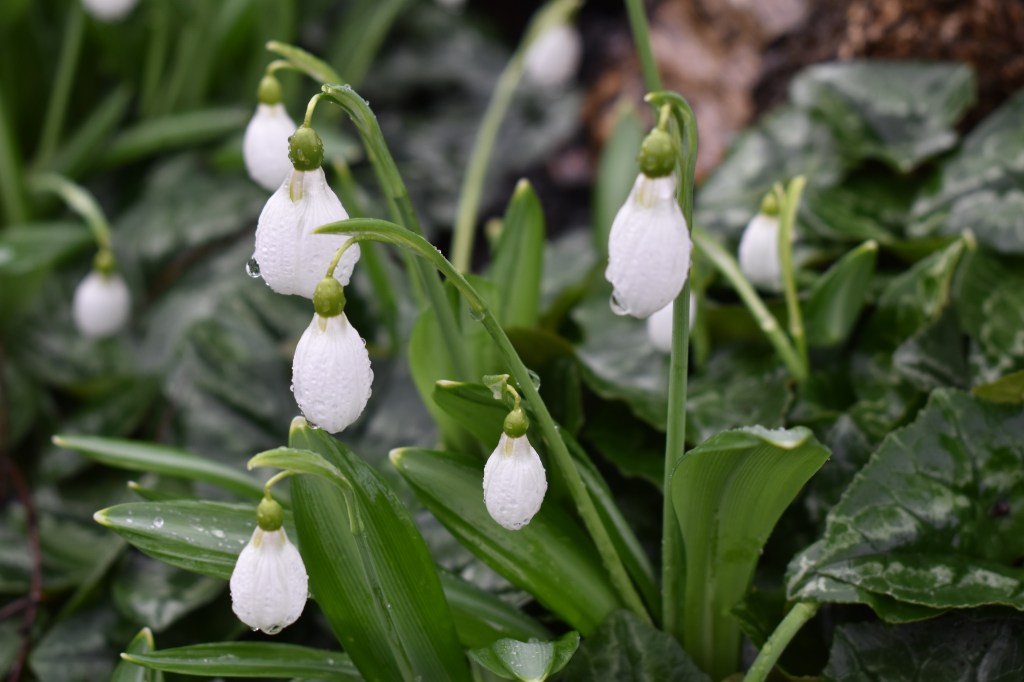
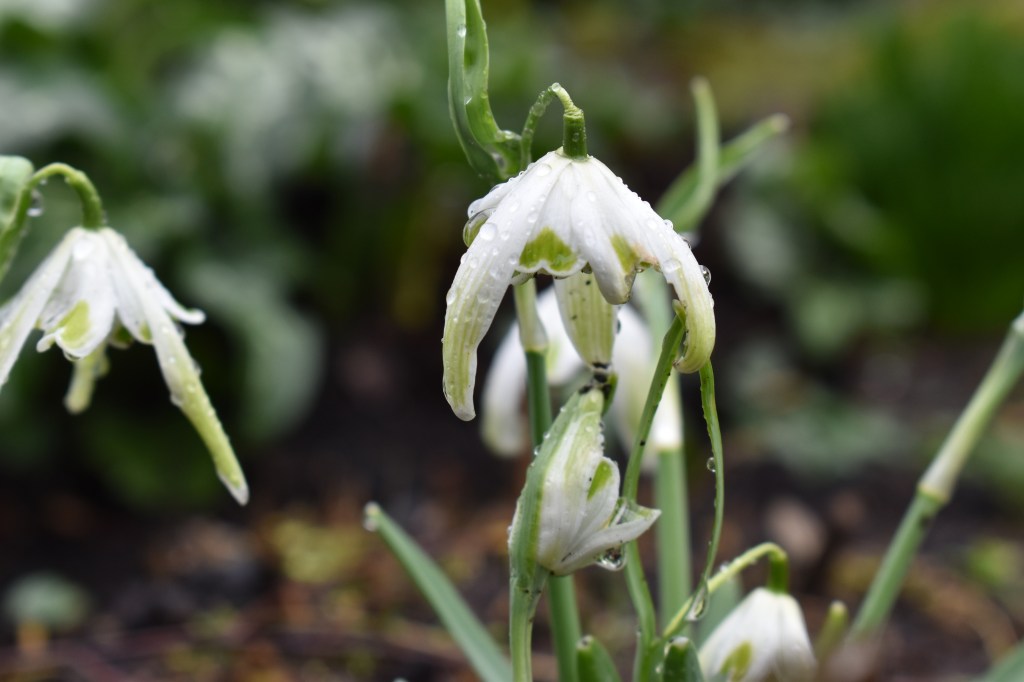
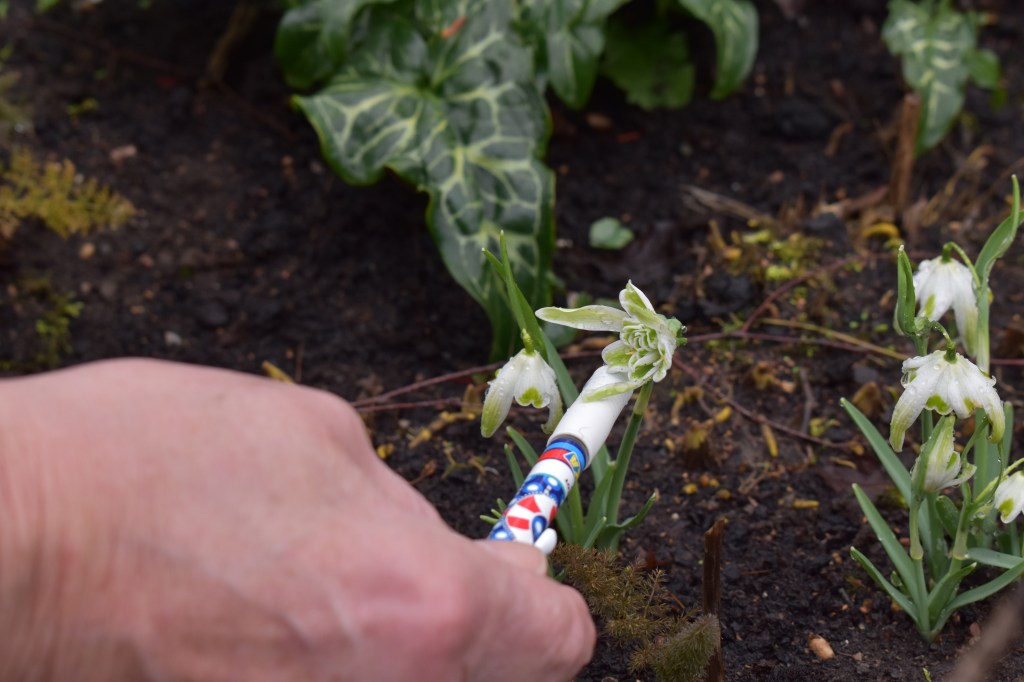
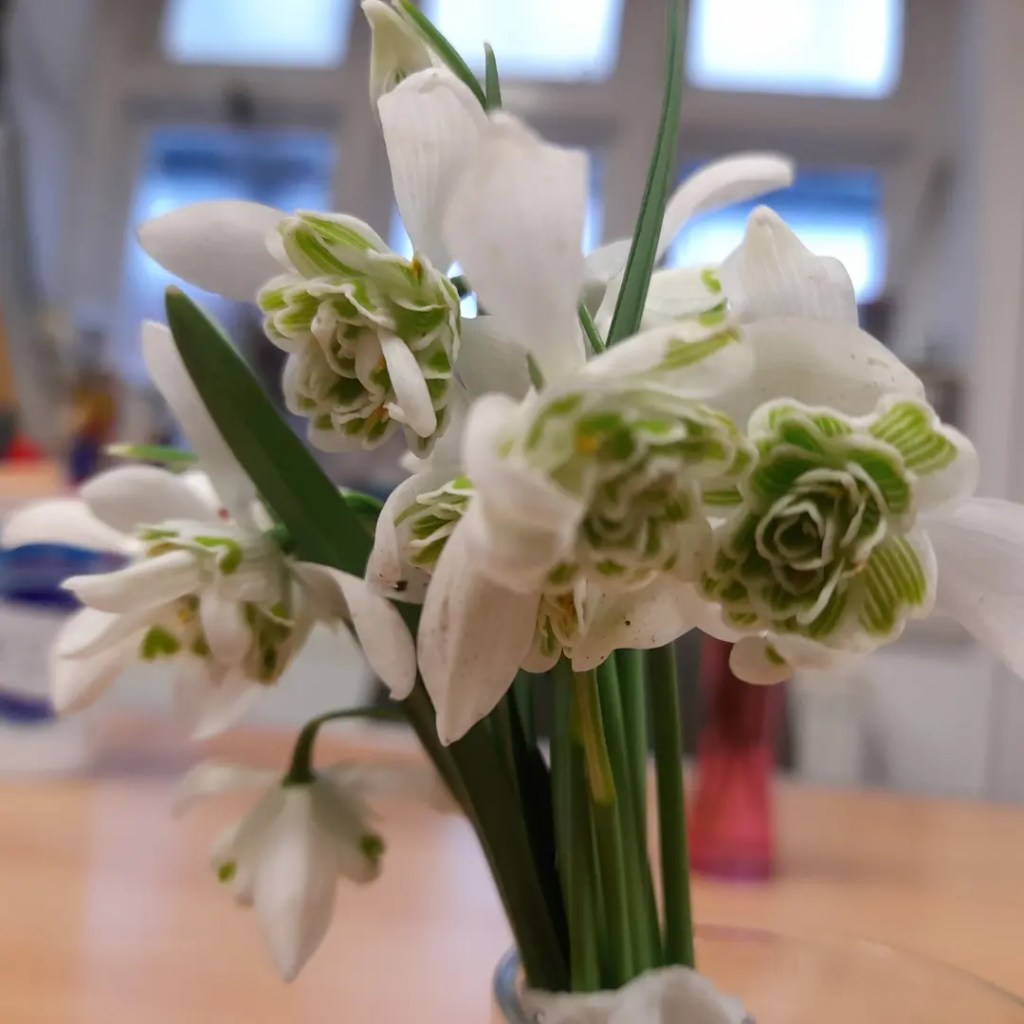
My favourite is Blewbury Tart, it’s slightly creamy in colour. Which is yours? Many thanks to Ruth and Don for their generosity in sharing their garden and giving an excellent talk to the stitchers on 24th February, with a bit of Wordsworth on snowdrops and other readings from their friend Jackie. Lots of inspiration here for the embroiderers’ designs.
Galanthus DesdemonaGalanthus AugustusGalanthus ElfinGalanthus TrymletGalanthus Wendy’s GoldGalanthus WaspGalanthus Bill ClarkGalanthus S. ArnottGalanthus JonathanGalanthus HeffalumpGalanthus PorlockGalanthus Bertram AndersonGalanthus Daphne’s ScissorsGalanthus WalrusGalanthus WalrusGalanthus MerlinGalanthus Blewbury TartGalanthus Blewbury TartGalanthus ShaggyGalanthus WarreiGalanthus James Backhouse
I was delighted that a stitcher brought along this wonderful combination of large snowdrops and gravel from her garden in the Lugg Valley. I had not appreciated the number of gravel pits, many still actively worked, in the valley.
Jane Tudge described the encaustic painting practice she used in her ‘snowdrop series’.
Jane Tudge with one of the snowdrop artworks she brought along
Whilst the stitchers stitched I read out snippets of snowdrop lore I had found.
Thomasina Beck writes how William Morris, the great socialist craftsman associated with the Arts and Crafts Movement said of stitching snowdrops:
‘Be very shy of double flowers… don’t be swindled out of that wonder of beauty, a single snowdrop; there is no gain and plenty of loss in a double one’.
William Morris, Hopes and Fears for Art, 1882
This we shall experience at first hand I guess!
Detail of ‘Parrot tulip’ screen panel showing background embroidered snowdops, which was one of Morris and Co’s most popular screen panel in the 1880’s (Ref: Thomasina Beck (1992) The Embroiderer’s Flowers)
The snowdrop is native to Europe and the Middle East, brought by the Romans to Britain, and become naturalized. In early history they were known by other names, but in 1753 Swedish botanist Carl Linnaeus in named the snowdrop Galanthus nivalis ‘milk flower of the snow’.
A Moldovan legend says the pure white flower was a sign of victory of Lady Spring’s victory over the Winter Witch. During their fight Lady Spring cut her finger, the drop of blood melting the snow and a snowdrop grew. A German folktale tells of snow searching for a colour to borrow because the elements admired flowers and their colours. Snow was denied one of the colours by the flowers as they felt snow was too cold and unpleasant. However the snowdrop felt sorry for snow and offered its colour. Snow became white from that point on and showed its thanks by allowing snowdrops to bloom at the end of winter with Snow’s protection against the cold.
The snowdrop has many meanings and symbols associated with it: they can mean purity, innocence, and sympathy. In Victorian England if you sighted a snowdrop it was a sign of death and bad luck and it was also considered bad luck to pick the flowers and bring them inside the home, especially a single snowdrop. It was believed that by picking a snowdrop the quality of cow’s milk was affected in a bad way, and butter discoloured.
Devotees or collectors of different snowdrop varieties are known as Galanthophiles (for their history see Jane Kilpatrick & Jennifer Harmer’s book (2016).
Eco Enchantments has researched and written a fabulous article about The Magic of Snowdrops with references to Hans Christian Anderson, German Illustrator M.Goetz in 1928, Gerarde’s ‘Great Herbal’ published in 1597, John Parkinson’s book ‘Paradisi in Sole, Paradisus Terrestris (A Choice garden of all sorts of rarest flowers) of 1656, a 19th century eccentric catholic essayist Dr Thomas Forster, and many other explorations of snowdrops in art, as myth, legend and folklore, superstition, to festival days such as ‘Brigid’s Day or the Celtic festival of ‘Imbolc’ celebrating the beginning of Spring, to Candlemass also known as ‘The feast of White Purification’ and a Pagan Roman Festival ‘Lupercalia’ and Snowdrop Day in Russia.
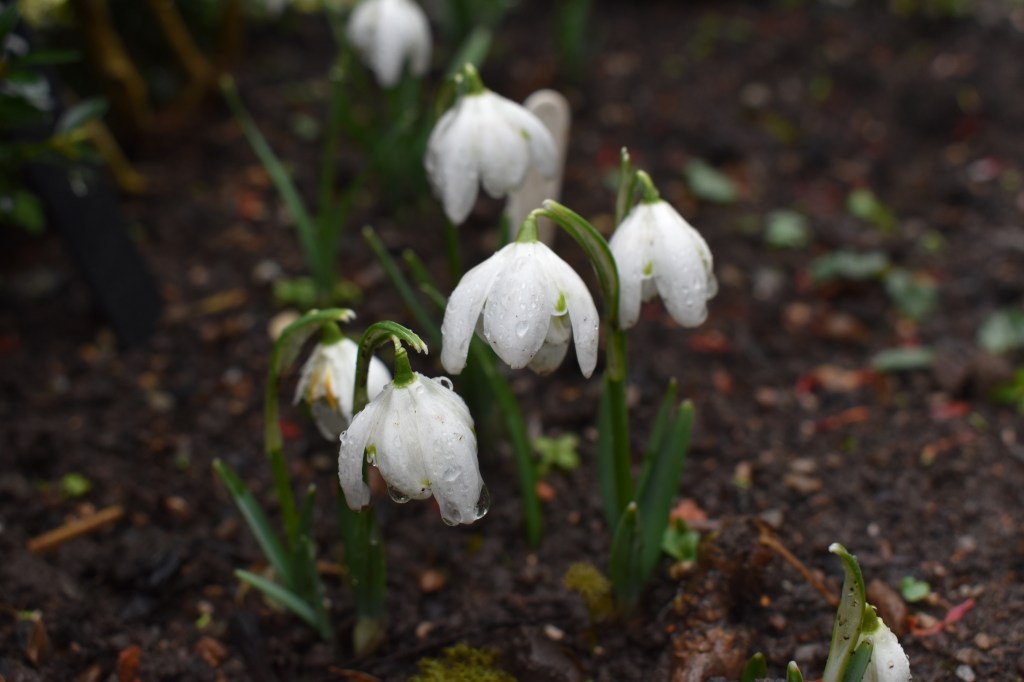
Snowdrop in Ruth Lewer’s garden
The snowdrop in purest white arraie
First rears her hedde on candlemas daie;
While the Crocus hastens to the shrine
of Primrose lone on St Valentine.
Thomas Forster, 1824, ‘Perennial calendar and companion to the Almanac’.
To conclude snowdrops are seen as as a symbol of hope and of sadness or mourning, which I feel make them an approrpiate symbol for our exploration of the heritage of the River Lugg, given its and other rivers and waterways precarious environmental situation. We can hope to change this whilst we simultaneously mourn the ecological losses.
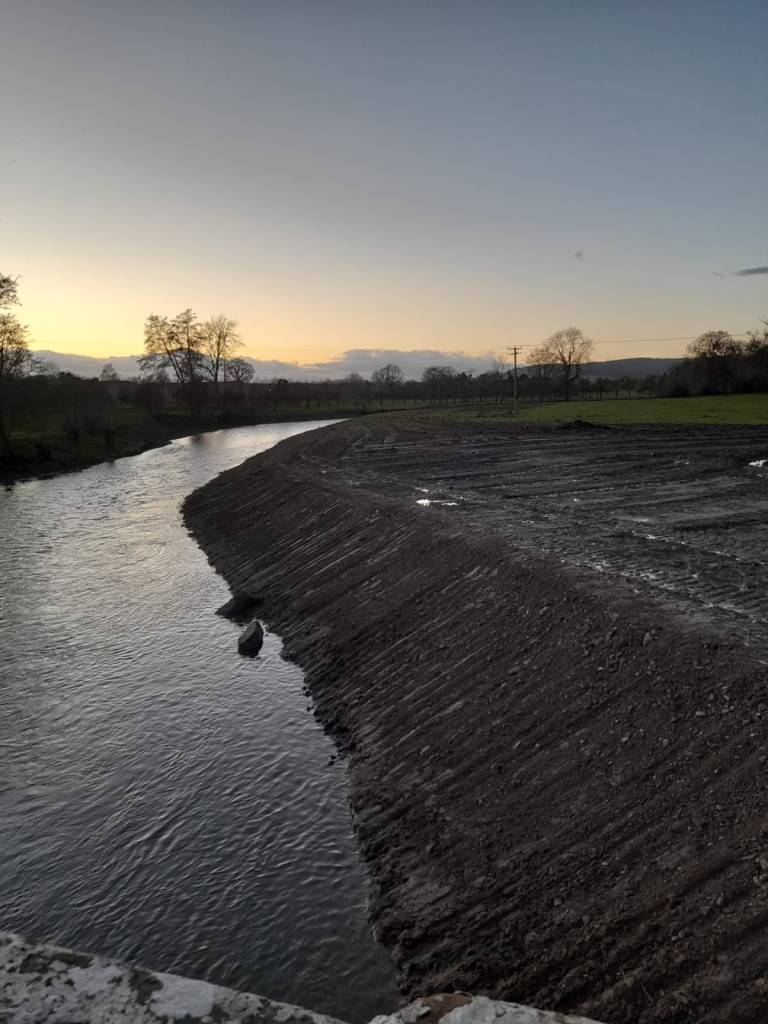
Snowdrops growing next to The Lugg at the bridge in Kingsland, a year after the environmental damage to the river and its banks in December 2020.
Gradually through the almost two year development of this project, halted by successive lockdowns, the idea of stitch as repair has grown.
In December last year, the actions of a landowner on the banks of the Lugg at Kingsland reached national news. He described taking preventive action to alleviate flooding problems for locals at this registered Site of Special Scientific Interest (SSSI). What is clear in the muddy waters is that the river has many different and perhaps conflicting roles and purposes to different people, life forms and the land.
December 2020 The Lugg at Kingsland
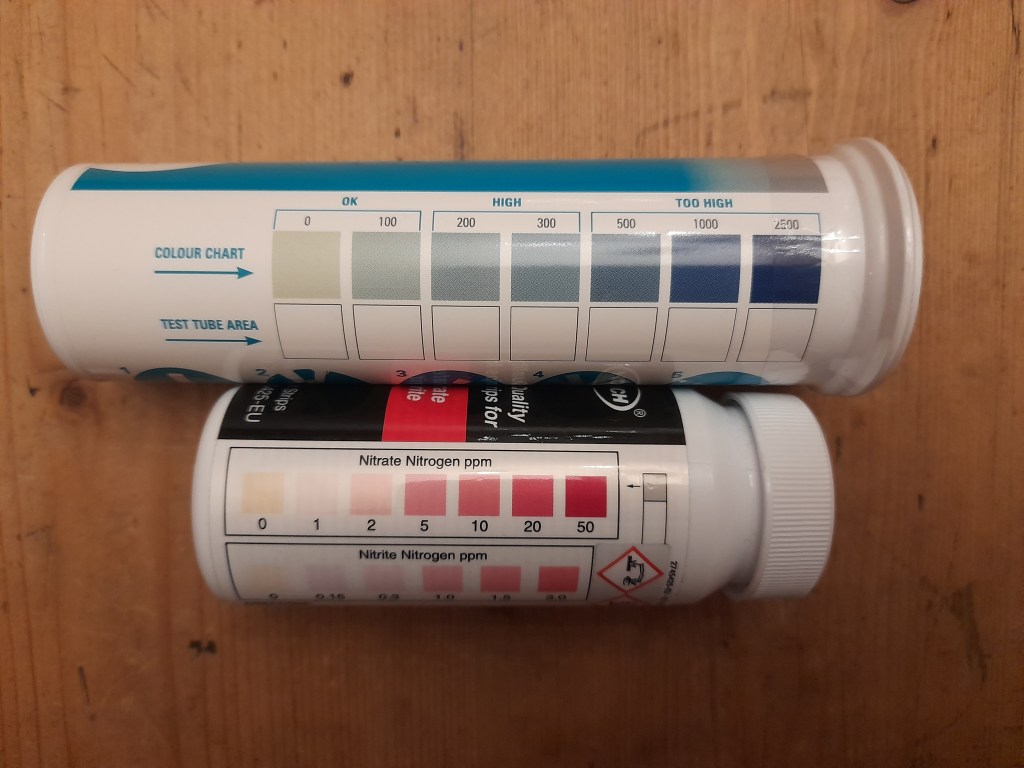
More recently I have been helping out with testing river samples from the Humber, a tributary feeding into the Lugg. Tests include phosphate and nitrate measuement. Concern has been mounting about pollution levels in the Wye, which the Lugg itself leads into.
My CPRE testing buddy
Coincidentally, the two testing pots colour matched my riverbend embroidery on the two sides of the nine mill sacks.
Phosphate and nitrate test strips
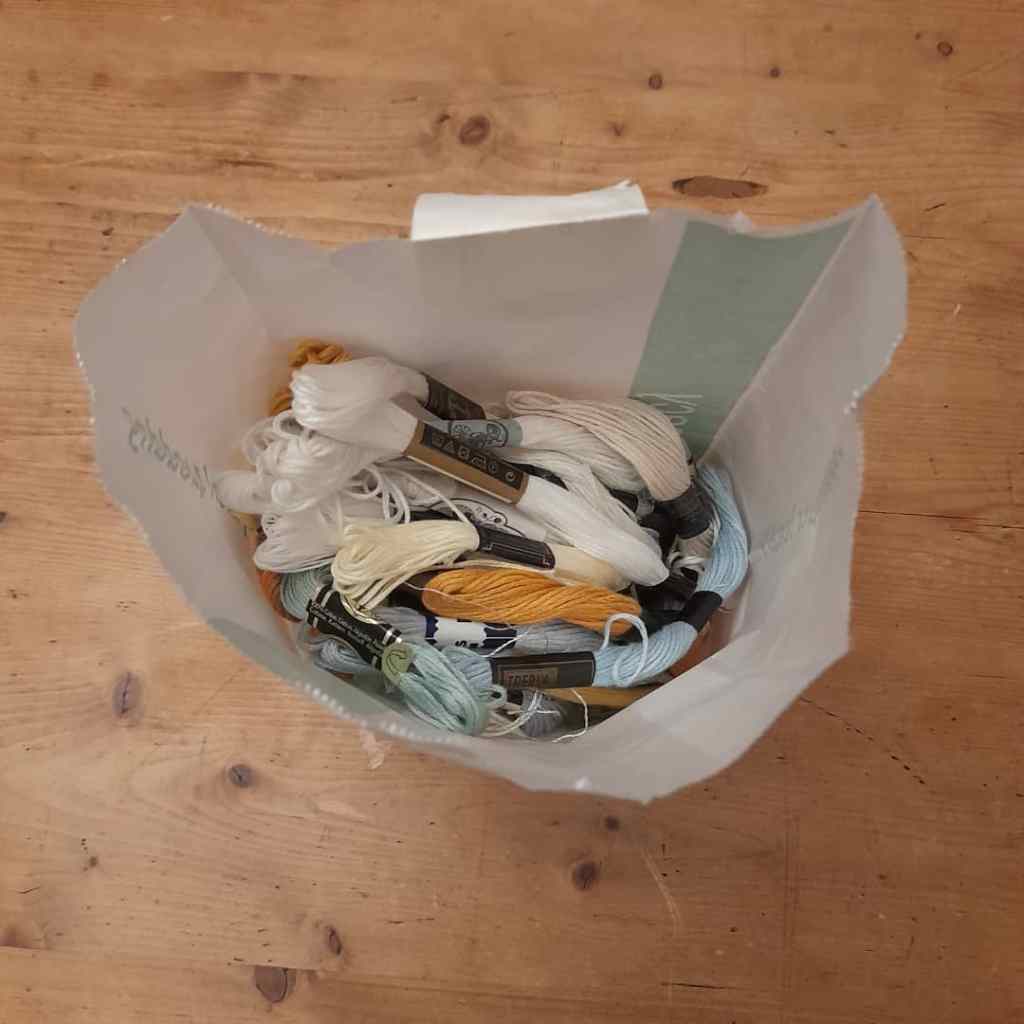
Just before the project launch, I went to Rose Tinted Rags to buy embroidery threads. It was the same day I had to pick up a prescription and the bags were mixed up. I like the idea of a prescription of threads.
What’s in the bag?Threads for snowdrop stitching
More recently, I was in London looking at archives, and I passed this amazing shop front advertising itself as an ‘invisible mending service’. I wondered if that’s what this project might be doing, mending the river or at least our value of it through celebrating it through stitch.
Later that night I found a sewing kit in my hotel room; the traditions of stitching and repairing are still present in reminders all around us!
Hotel sewing kit
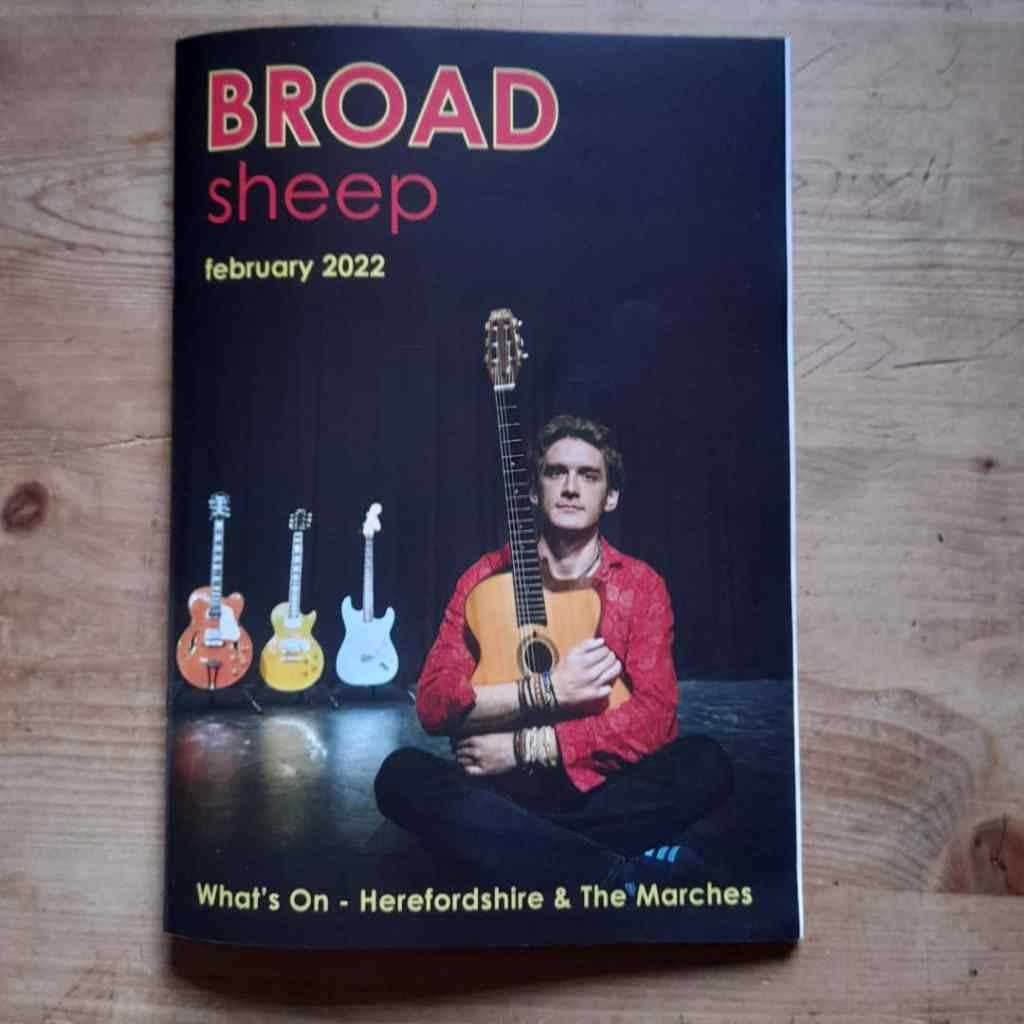
I placed an advert in a local listings magazine and emailed many organisations with interests in all things to do with the River, partly to recruit participants and partly to find potential speakers to help us explore aspects of the River Lugg whilst we stitch and repair.
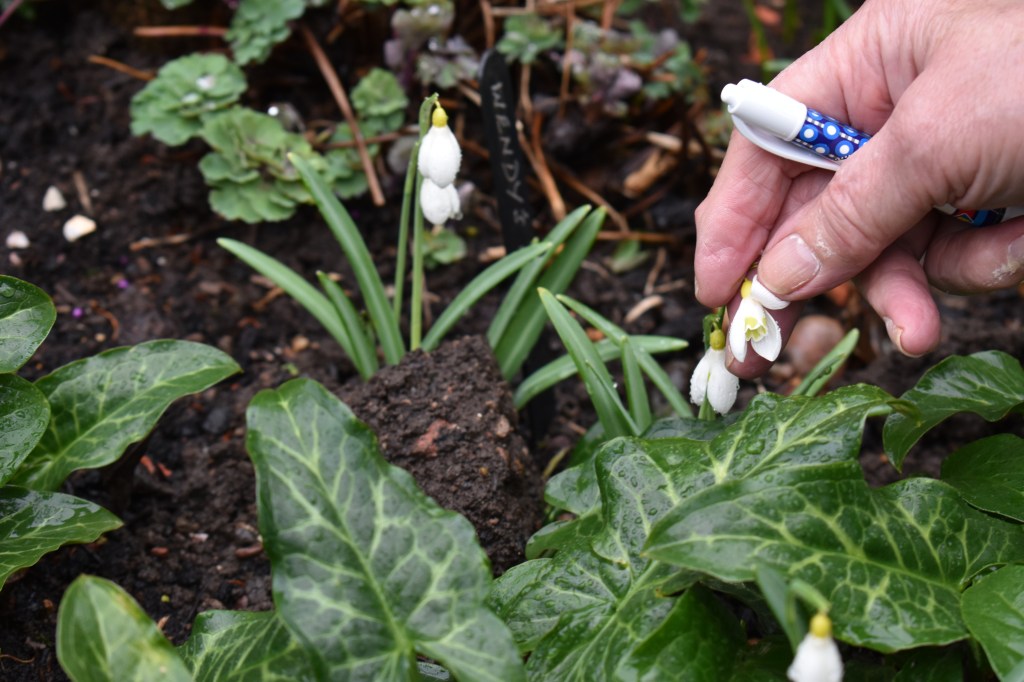
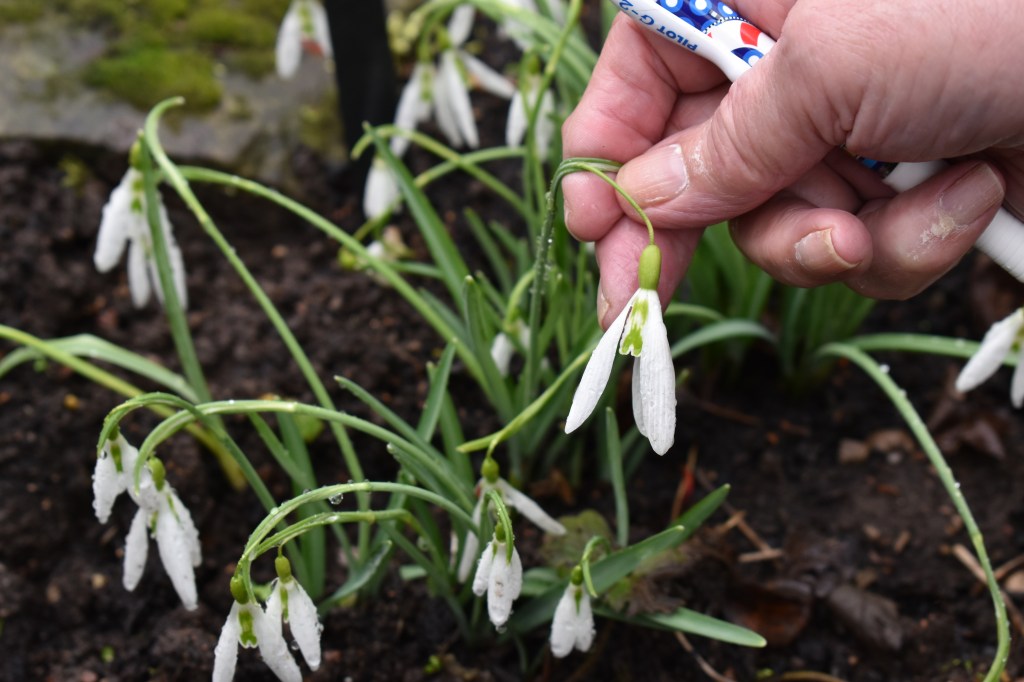
I realised driving to Hereford for the introductory and participant recruitment session to the long established stitching group at Rose Tinted Rags (RTR) , that I had forgotten to find a few snowdops from the garden. Luckily two different varieites were growing along the wayside.
Six more stitchers joined the project at RTR, adding to the four new people from the Monday and Thursday stitching sessions at Leominster Community Centre. The project is slowly trickling together and gaining momentum.
This week in all the stitching meet ups we looked at maps showing the whole river route and photographs taken from its end and working upstream. We made it as far as Bodenham at the Old Railway Inn, just to the east of Dinmore Hill.























 The Lugg Embroideries