A community stitching and heritage project about the River Lugg
Author Archives: jackiehmorris
I am a folklorist investigating our place in the world through creative and participatory practices. As an artist maker with a textile sensibility, I craft engagements, events, workshops and year long projects. I have a BA(Hons) Fine Art and MA in Contemporary Dialogues. I am currently writing up the thesis of my research investigating rural place in Herefordshire (UK) with its community through its folkloric heritage and landscapes of common land. I live in Herefordshire and study at Manchester Metropolitan University. I am Australian born to British parents and have lived in both countryside and cities of Britain. Rural conversations and fieldwork with my art collective 'Fold' supports and inspires my thinking. My art practice, Volka Arts, is named after my recent investigation into the now enclosed Volca Common Meadow, a short distance from my home. j.morris@volka-arts.org
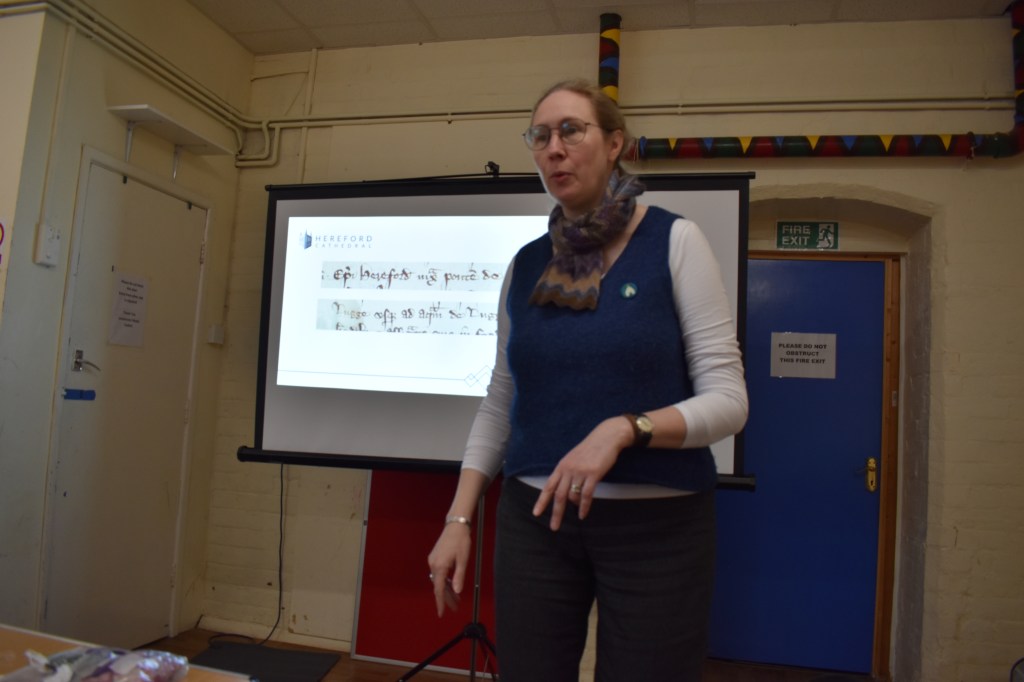
For the final session of the 12 week Lugg Embroidery project on its last Thursday morning, Elizabeth Semper O’Keefe came to present her findings of records of the Lugg in the Cathedral Archive.
Elizabeth Semper O’Keefe presenting the Lugg in the Cathedral Archives
It was really interesting and I know inspired me for future projects! I had not realised what a great resource the Cathedral Archives are. The unexpected is hidden away in there.
Thank you Elizabeth for this final treat, and for a very well prepared and delivered presentation.
Elizabeth is also an embroiderer and had attended the launch night of this project back on 2nd February 2022, so it was doubly appropriate to have her with us for the last session and she finished her stitched snowdrop just in time!
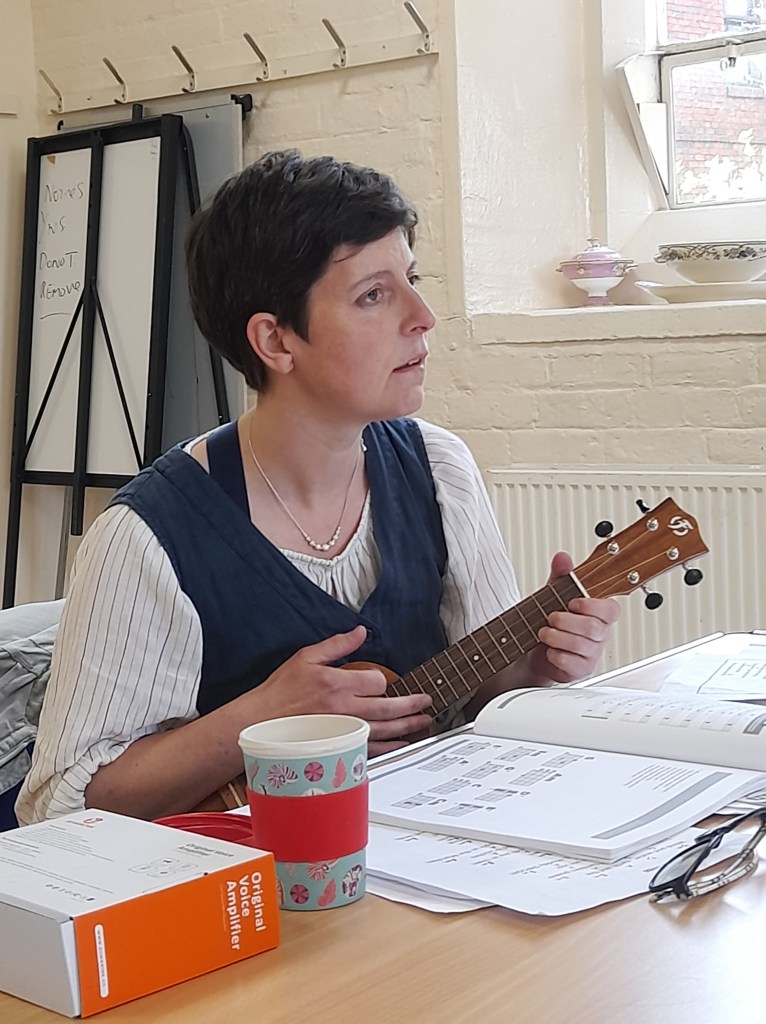
Kate came along to our Thursday morning stitching session and told us about her idea for a Lugg Songbook and talked and sang us through some of the beginnings of songs and tunes she has composed for it. She hopes and plans to develop this in the future but it will likely require some funding. It was a wonderful morning. Here is the recording of it.
Kate Green performing her preliminary work towards her Lugg Songbook
Thank you Kate for your time, sharing your music, songs and stories and for your stitched snowdrop!
Quite early on in my meetings with the stitchers at Rose Tinted Rags, I took along my ribboned stave or wand that I had previously made to re-enact the old tradition of ‘Beating the Bounds’ as documented by folklorist Ella Mary Leather in 1912. She describes how the only trace of this old tradition in Herefordshire is the Gospel oak trees which stand at the meeting point of three or four parish boundaries. I took along my ribboned wand as it was February 23rd, the ancient Roman Festival day called Terminalia, in which they honoured the god Terminus who presided over boundaries. I wanted to talk in the session about how rivers cross borders and boundaries whilst the group stitched their snowdrops.
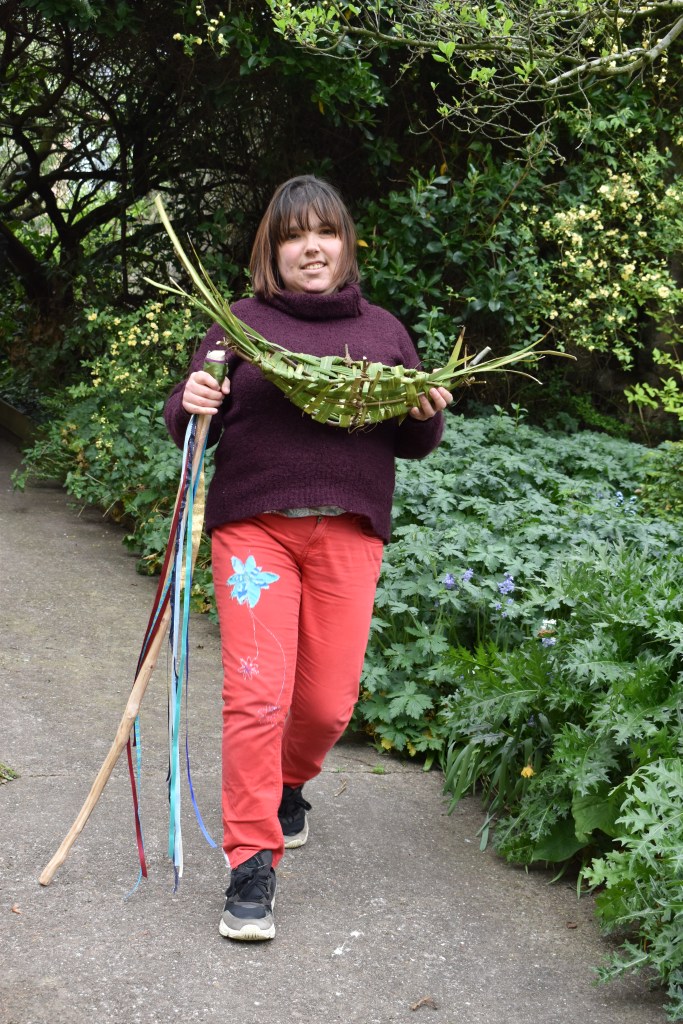
Rose Tinted Rags stitchers requested to make ribboned wands too, so a few weeks later we did.
Incidentally, it had been whilst searching for the Gospel Oak/Battle Oak at Mortimer’s Cross with my friend, the artist Kate Green, back in January 2020, that I had been inspired by the river and the idea of snowdrops which had then led to this whole project. On that day, I found an oak tree by a Lugg riverbend, Kate sat under it and played and sang her tune about processioning. Also the mill owner gave me nine mill sacks and told how he throws a few snowdrops into the Lugg on the anniversary of the Battle of Mortimer’s Cross of 1461, when ‘the river ran red’ from the many soldiers that died. Today I feel the river itself is metaphorically ‘running red’ due to the death of its non-human life forms because of our industry and pollution. For that reason, I had also incorporated a single red ribbon in my original ribboned wand.
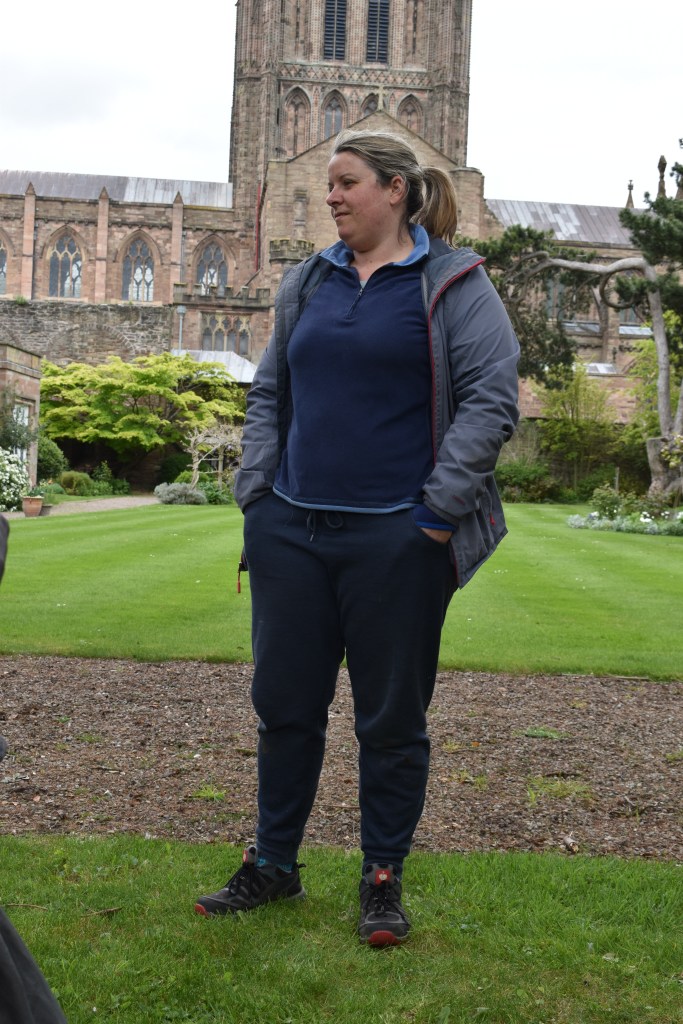
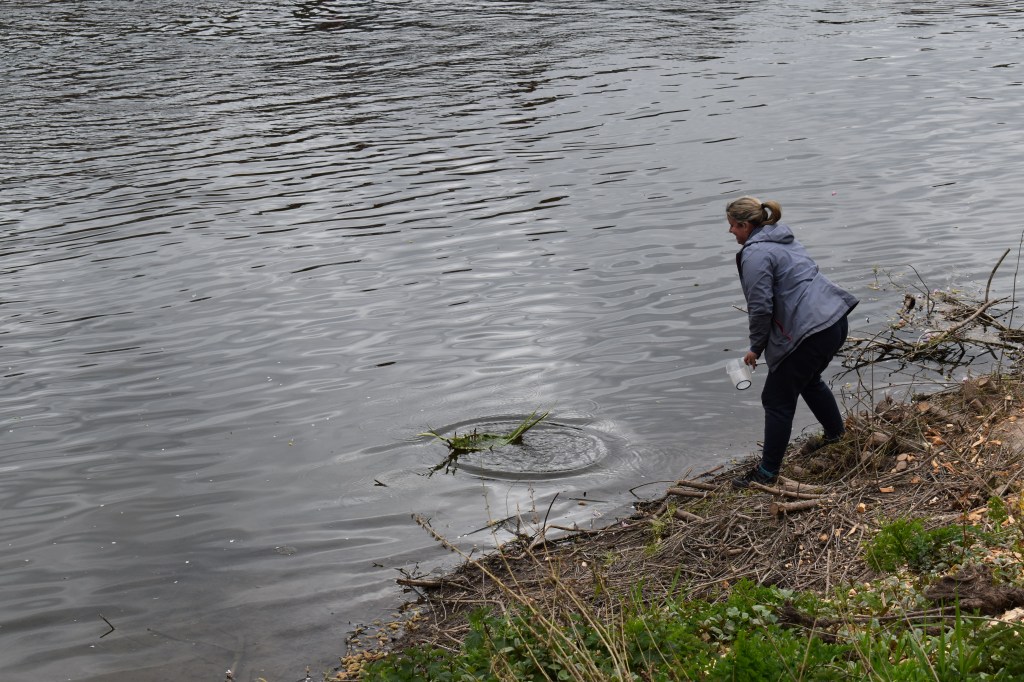
On the last day of the twelve week stitching project, we walked through High Town in Hereford with our staves or wands to Bishop’s Palace Gardens for a picnic by the River Wye. One of the stitcher’s had worked for many years as gardener but was now retired. He had told us stories about his experience of the river there and also of living by the Lugg. It was extra special to visit the garden with him and he was our ‘in’ to having a private visit! We planned to launch a model boat we had made that morning for natural materials using the same materials and method I had used to make the strewing baskets for the upcoming exhibition of all the stitched snowdrops.
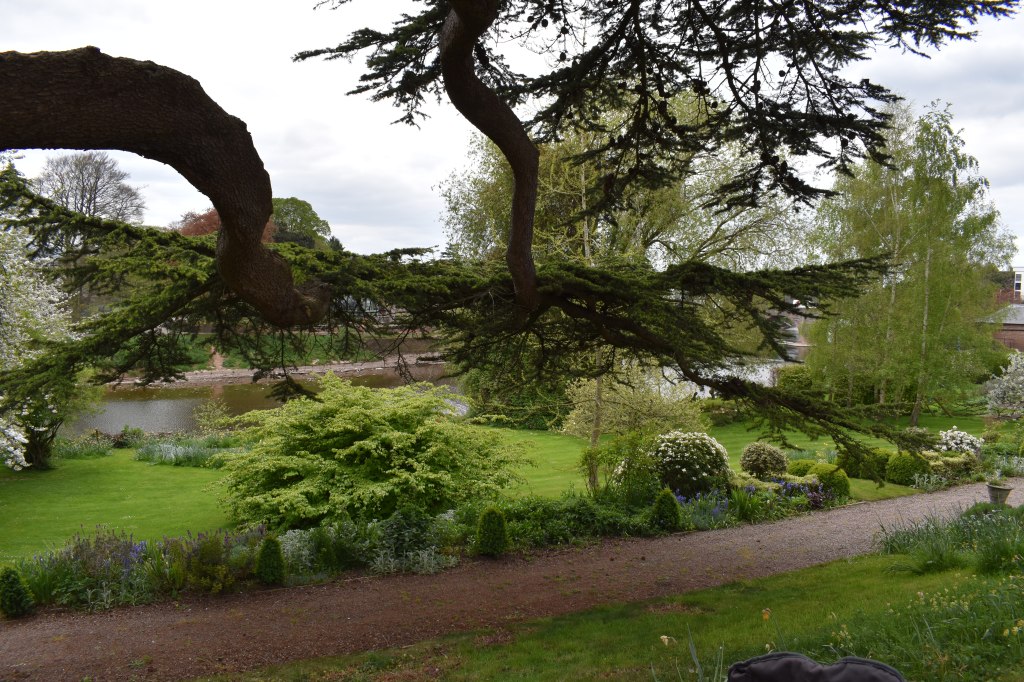
Bishop’s Palace gatehouseOur wands lying on the grass whilst we picniced!Anna, the head gardener telling us about the garden whilst we had our picnicView of the Wye from Bishop’s Palace gardenA beautiful garden
The boat being carried down for the launch
Anna launched the boat for us (to prevent us slipping in the river!) and we watched it partially submerge and float away
Spot the boat floating down the Wye!
We also tested the Wye for phosphates and nitrartes using the tests from CPRE’s Citizen Science project. Levels were low today.
Many thanks to all the staff of Bishop’s Palace garden who made us so welcome, to Anna for her time, and for a fabulous end to the 12 week stitching programme. We resisted trying on their ‘rags’ as we left!
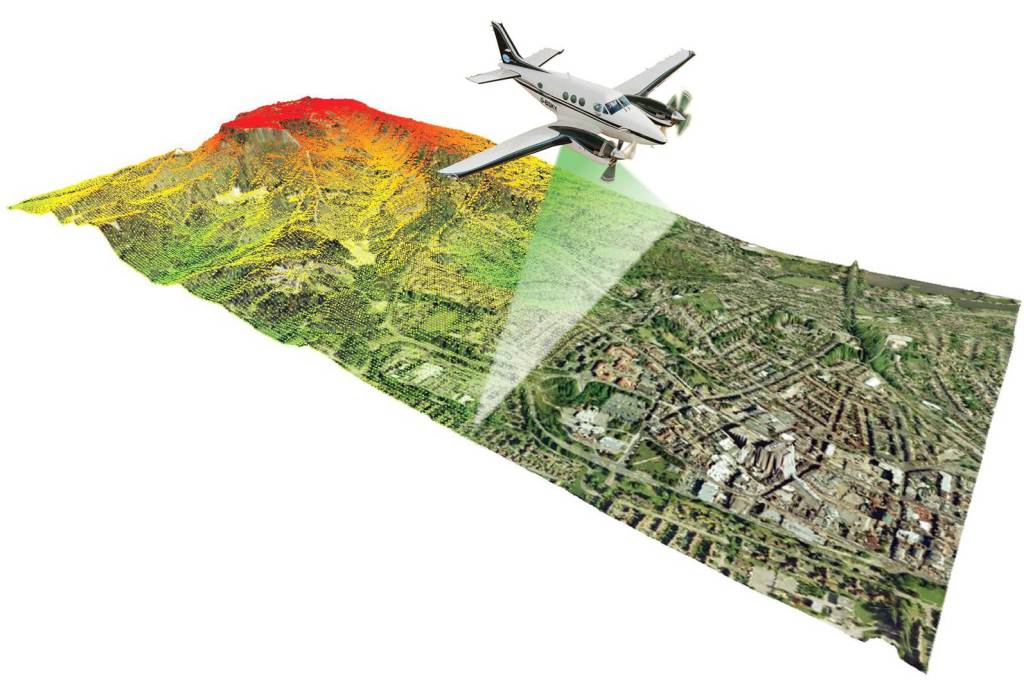
David very kindly agreed early on to give a talk detailing his speciality of the application of computer software to visualisation or as he put it ‘stitching’ digital maps together inspired by old maps.
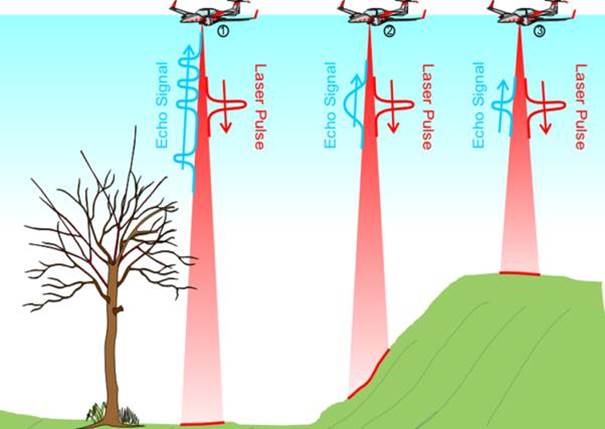
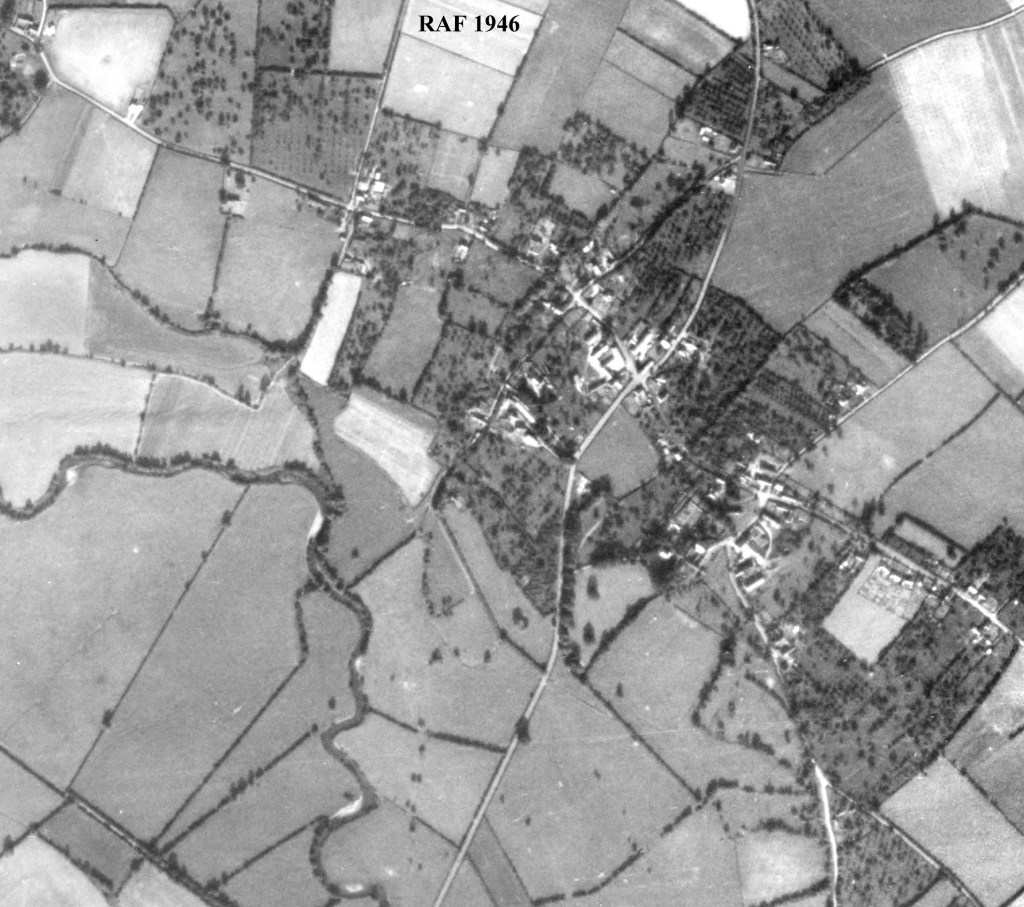
He shared his slides with me and I add a few below. He showed us how LiDAR scanning can be used to find hidden or lost features in the landscape, for example managed meadows. I don’t have all the details of all the images.
River Lugg running through LeominsterDiagram showing layers of history revealed by geo-referencing maps and aerial photographsLidar mapping the surfaceHow lidar works
Example of historical maps of Sutton
Thank you to David for generously sharing his work with us. As you can imagine his re-mapping technique has varoius applications. He does give talks local to Herefordshire so do look out for these.
Mortimer’s Cross weir during February 2022 floods of River Lugg
What became apparent when researching the history of mills, weirs, canals and navigation of the River Lugg is that one use of the river often created structures which hampered other uses of it and also affected the possibilities of fish travelling up the river to spawn. There have been more recent assessments of the instream barriers such as weirs, culverts and dams which have been identified as a significant pressure to physical river habitat – see Atkins report of the need for a multidisciplinary approach (Janet Shaw and colleagues). Below is some history of mills and weirs on the Lugg with references at the end.
Information about the River Lugg: Source: Pool Hill, near Llangynllo. Height at source 1,631 ft, 63 miles long. Joins the Wye at Mordiford. Height at end 151 ft.
Map showing the River Lugg
Domesday Book
At the time of the Domesday Book (1086) the Lugg was an important river for milling. Some 80 mills were recorded in the county of Herefordshire, and of those, around one third were located in the valley of the Lugg, some on tributaries and others on the main river.
Mortimer’s Cross Mill
In addition, those on the Lugg were valued considerably higher than those elsewhere, with an average value of 15 shillings and 4 pence, compared to 6 shillings and 7 pence for mills on other rivers.
Mortimer’s Cross MIll
At that time, the hay meadows on the banks of the Lugg were the largest in the county, and the valley produced large crops of hay and corn. At least four of the sites were recorded as having fulling mills subsequently, but none were recorded when a survey of the river was made in 1697.
Mills in Leominster
Leominster had at least nine mills, powered by various river channels, with guilds controlling industries that ranged from weaving and wool-stapling to malting, tanning and glove-making. There were also agricultural ironworks, oil and corn mills, brickfields and an ink mill which later converted to grinding coal for foundry blacking.
Mortimer’s Cross Mill
Uneasy relationships
On many of Britain’s lowland rivers, there was an uneasy relationship between use of the water for milling, which required weirs to be built, and navigation, which required freedom of movement along the waterway.
Four Acts of Parliament
Between the 17th and 19th centuries, four Acts of Parliament were passed which specifically named the River Lugg in their titles, but the middle two had the most effect on the river.
Mortimer’s Cross Mill
Idea to build weirs and locks
The first Act was passed on 19 May 1662, entitled:
An Act for the making navigable the Rivers Wye and Lugg, and the Rivers and Brooks running into the same, in the counties of Hereford, Gloucester and Monmouth.
Sir William Sandys was appointed to carry out the work, which involved building weirs and flash locks to maintain water levels, but his previous experience on the Warwickshire Avon did not fit the Wye, which was a much steeper and faster-flowing river, and the work was abandoned by about 1668, before any work had been started on the Lugg.
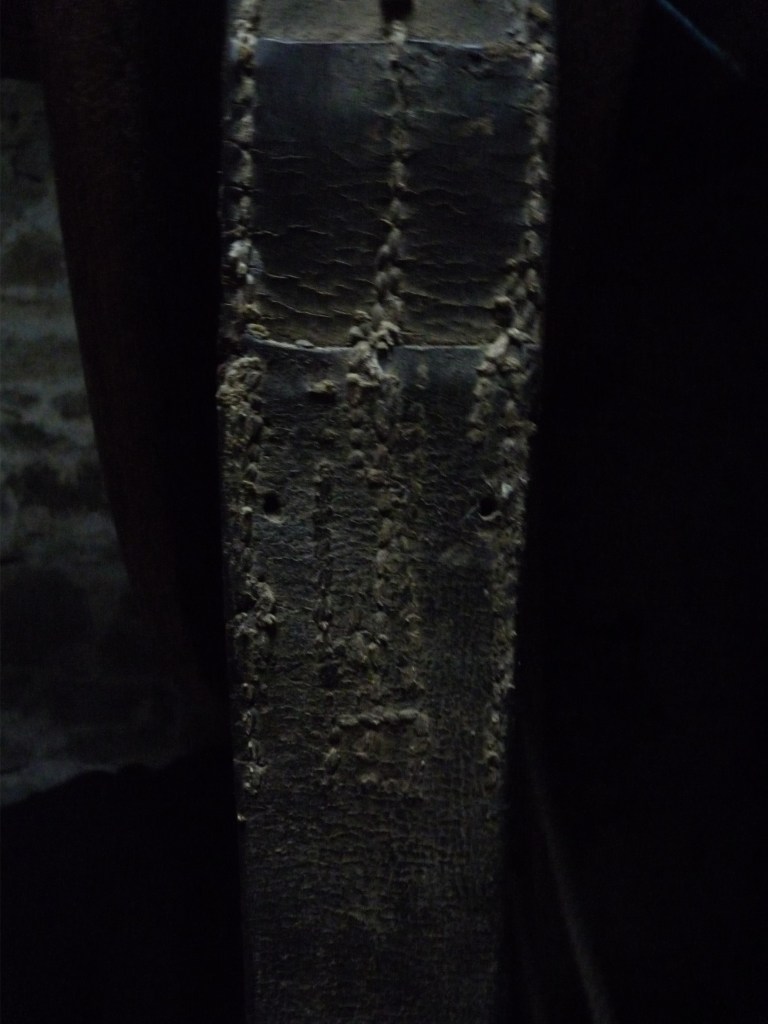
Stitched leather strap , Mortimer’s Cross Mill
Survey of Mills on the Lugg before 1695 Act
On the Wye, some of the weirs were associated with fishing, but on the Lugg, all of them were connected with milling. Details of them have survived, because a comprehensive survey was carried out by an anonymous author, thought to be Daniel Dennell, who had previously worked on the Exeter Canal, and Dennell’s document was acquired by the British Museum in 1856. The survey listed ten mills between Lugg Bridge, Leominster and the junction with the Wye, but this was probably the number of wheels or pairs of millstones, rather than the number of buildings where milling occurred. The annual value of each mill was to be established, and the price to buy the mill and weir was then fixed at 16 times that value.
Mortimer’s Cross Mill
1965 The second Act of Parliament was obtained on 17 March 1695, entitled:
An Act for making navigable the Rivers of Wye and Lugg, in the county of Hereford.
Image taken from Victor Stockinger’s book ‘The Rivers Wye and Lugg Navigation’ (1996: 109)
One important effect of this act was that it re-established both rivers as free navigations, for it contained the clause:
Therefore be it enacted that the rivers Wye and Lugg may be henceforth accounted, deemed and taken to be free and common rivers for all to make use of for carrying and conveying of all passenger goods, wares and commodities by boats, barges, lighters and other vessels whatsoever.
Mortimer’s Cross Mill sack
Work carried out
After the Act was passed, it is not clear exactly what work was done, since the relevant sheets from the accounts are missing, but a lot of money was spent. Locks may have been put into some of the weirs; this was certainly true at Tidnor, and may have also been the case at the confluence with the Wye, at Mordiford, Hampton Court, and some other sites. Several bridges were altered, by breaking one of the arches and constructing a timber drawbridge or later a raised arch. There are a few mills left, and some obvious mill sites, but many of the mills below Leominster were bought up and their weirs demolished as part of a 1690’s scheme to make the river navigable. This was not a success, as the water levels dropped creating shoals, and in the 1720s, some of the weirs were reinstated, with pound locks to enable boats to bypass them.
Apotropaic mark in Mortimer’s Cross Mill, to ward off ill luck
Destroying weirs a mistake
A third Act of Parliament was obtained on 15 May 1727, which openly stated that destroying the weirs had been a mistake, and allowed the trustees to reinstate them, with associated locks. Neither the minutes nor the accounts for this phase of the work have survived.
Thomas Chinn, a millwright from Tewkesbury, was employed to build locks around 1748, after money was raised by subscriptions in Leominster. He was later indicted for building locks against four bridges, but this charge may have been malicious. When the case was heard, he was only fined sixpence for each bridge and was not required to remove the locks.
There are known to have been locks at twelve sites between Leominster and the Wye, at Volca Meadow, Ford Bridge, Hampton Court, Bodenham Mill, Kings Mill, Moreton Bridge, Wergins Bridge, Sherwick Mill, Lugg Bridge, Tidnor, Mordiford and the confluence. Some of these may have been half locks or flash locks, but some were definitely pound locks with two sets of gates, and of the three locks still in existence in 1906, both Tidnor and Mordiford were pound locks, but no clear evidence for a second set of gates at Lugg Bridge has been found.Barges on the river were hauled by teams of men.
Mortimer’s Cross Mill
Wye and Lugg Towing Path Company
A fourth Act of Parliament was obtained in 1809, to allow horse towing paths to be constructed on the Wye and the Lugg, but there is no evidence that such a path was ever started on the Lugg. Navigation by boat up to Leominster was for a time possible, although it was never hugely successful. Some traffic may have used the lower 5 miles (8 km) of the Lugg up to Lugg Bridge until about 1860, when railways had been built in the area.
Nine mill sacks given to me by the Miller, washed and drying
Free navigation
As a result of the 1695 Act, the Lugg was a free navigation, but in 1995 the National Rivers Authority sought to apply bylaws to both the Wye and the Lugg. Their case was taken to the High Court, and was continued by the Environment Agency, which superseded the National Rivers Authority later that year. This action eventually led to the granting of the Wye Navigation Order in 2002, which:
reaffirmed the right of navigation on both rivers, appointed the Environment Agency as the navigation authority for the rivers, but prohibited the construction of weirs and locks.
Hand stitched repair on mill sack, not made by the current Mill owner
Most use of the river is now by canoes and kayaks,although it is still sometimes used by small boats but can be very dangerous when in flood. In February 2020, it was one of several rivers with severe flood warnings following the impact of Storm Dennis.
Hand stitched repair on mill sack, not made by the current Mill owner
The river is also used for fishing, as it has good populations of wild brown trout and grayling. Water quality of the river system is moderate, although some of its tributaries have poor water quality, and some bad. In common with many rivers, the chemical quality changed from good to fail in 2019, following the introduction of testing for chemicals not previously included in the quality assessment. The whole of the river is a Site of Special Scientific Interest, and since 2003, a policy of building fish passes where there are weirs has led to significant improvements to the presence of migratory fish in the river.
Mills and Weirs as you travel downstream
• Old Mill, Presteigne (formerly known as new Mill House) and close by a weir which once powered the mill
• Near Lyepole Bridge, As the river turns to the south-east, a large weir directs water into a mill leat, which runs on the north side of the main channel to Aymestrey Mill, a grist mill built in the 1860s. Most of the machinery is still in situ, and the wheel now powers a printing press.The A4110 road bridge crosses the river and the mill tailrace, and as the river turns to the south, a similar weir creates a leat to the west of the river.
• Mortimer Cross Water Mill fed by another weir. It is 89 feet (27 m) long and a 220-yard (200 m) leat feeds the mill, which has three sets of stones. It was a paper mill until the 1830s, and then became a grain mill. New machinery was installed in 1870 and it produced animal feed until the 1940s.It is unusual in that it was designed to be operated by one man.
• At Lugg Green, Kingsland is another Lugg Bridge, and after a series of weirs, the river arrives on the northern edge of Leominster.
• A leat to Crowards Mill, now disconnected from the main river, was formerly the main channel of the Lugg, with much of the flow passing over a weir into the Kenwater. Crowards Mill was still used for pumping water until 1974. Most of the mills in Leominster had gone by the time of the 2nd WW, and one of the last surviving sites is now a sports centre in Bridge Street
• Osbourne Mill
• Marsh Mill
• A third corn mill in Leominster
• Pinsley Brook ran through the town just to the south of Kenwater, to power Pinsley Mill, another corn mill just to the north of Leominster Railway station and joined the Lugg below Eaton Bridge. Pinsley Mill was hit by a mysterious fire in 1754, perhaps sealing the towns fate as a backwater of the Industrial Revoultuion. In 1748 cotton magnate Daniel Bourn has invested heavily in upgrading Pinsley Mill as one of only four early cotton spinning complexes, complete with his own patented carding engine. When it burnt down, Leominster never recovered form its early lead in the textiles industry.
Bridges of Leominster
There were once 19 bridges in Leominster, most of them crossing the Lugg, Kenwater or Pinsley Brook.The river system within the town was radically reworked in the 1960s, as part of a flood alleviation scheme. The Lugg continued southwards along the course of the Kenwater, to a new weir close to the former course of the Railway. The Kenwater passed over the weir, while a new channel was cut for the Lugg, following the course of the railway.
• Lugg Bridge at Lugwardine dates from the 14th century, and was repaired in 1409 and 1464. It has three arches, and was widened in the 1960s, when the south side was largely rebuilt. The Little Lugg joins from the east near the bridge, which was the location of corn mills in 1903, when a structure spanned the river to the south of the bridge.
‘Water Poet’ John Taylor
As interest in river navigation increased, shipment of goods along many rivers remained difficult due to the number of weirs. The most vivid description of these obstructions was provided by the ‘Water Poet’ John Taylor. A Gloucester-born, self-educated, eccentric Thames wherryman, Taylor wrote and published numerous pamphlets and verses describing his travels by river, road and sea through Britain between 1618 and 1653. He also wrote about fashion, linen and needlework.
Heather Hurley writes of the difficulties of river navigation and talks about John Taylor whose poetry Robert Crompton later read for us including his poem The Arrant thief (1622) becrying the introduction of horse drawn carriages taking trade away from the Thames wherrymen.
Taylor also wrote The Prayse of the Needle (1631) – 144 lines, an introduction to a book about sewing and includind some stitiching sonnets – which Robert Crompton also later read to the stitchers and inspired Maggie to write two of her own stitiching sonnets.
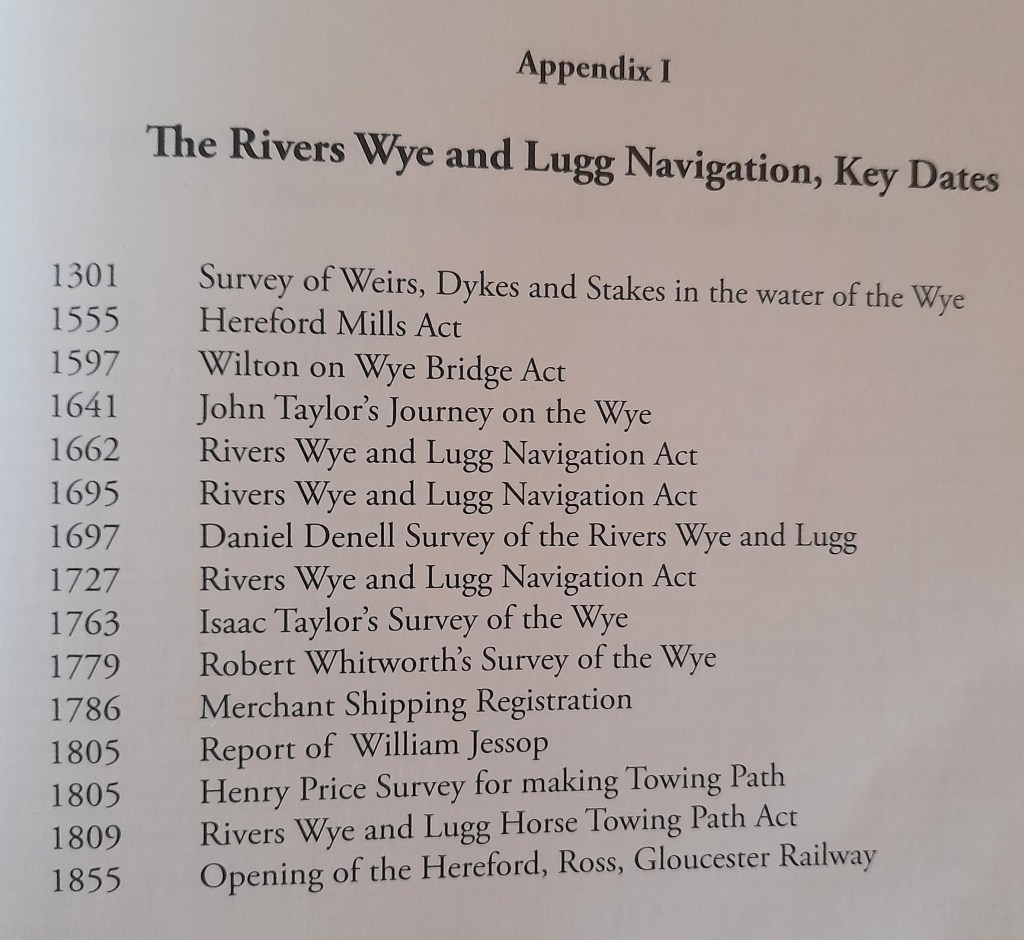
Heather Hurley very usefully supplies a list of Key Dates for Navigation of the rivers and her book gives more detail about these events.
Heather Hurley’s list of key dates for river navigation ( 2013:167) Heather Hurley – an introduction from her writing on transport in the 17th century and onwards, and Difficulties of River Navigation (2013:4) A reading from the beginning of Heather Hurley’s Wharves- Mordiford to Leominster and to Rotherwas (2013:113)
References Used:
I found other documents that detailed the histories of the mills on the Lugg for example, Gordon Tucker’s ‘The Mills of the Lugg Valley in Radnorshire‘ or Alan Stoyel’s ‘Pilot study of the mills and associated water arrangements within the catchment area of the River Lugg‘ (January 2015).
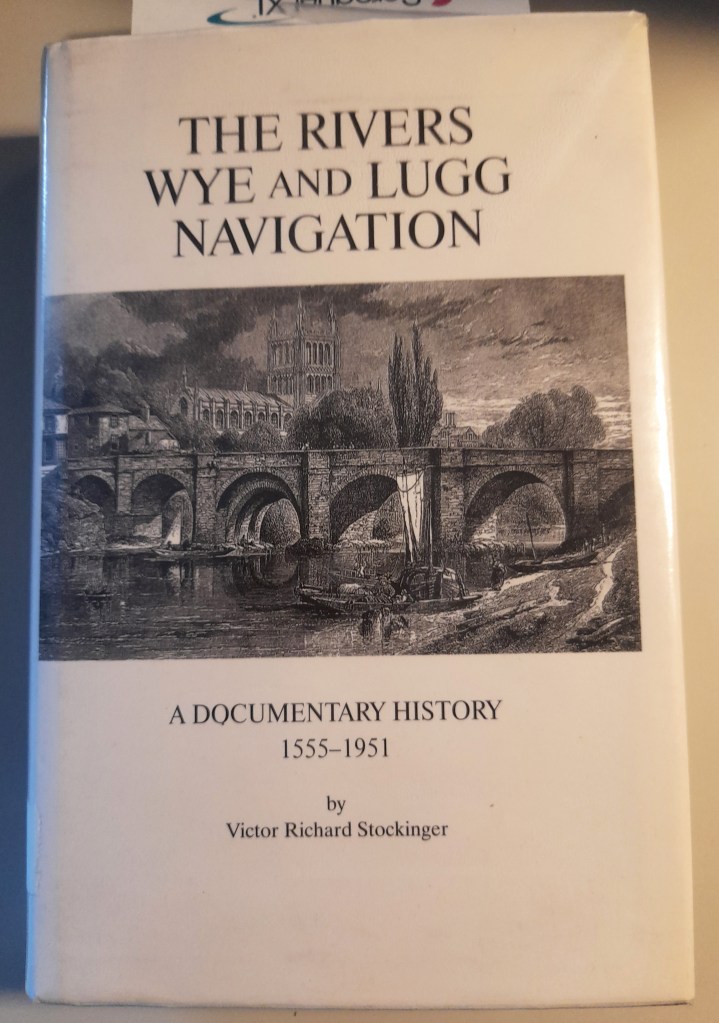
I was loaned two useful books by snowdrop stitcher and artist Kate Green. The first is The Rivers Wye and Lugg Navigation – a documentary history 1555- 1951 by Victor Richard Stockinger. Another stitcher (and lifelong canoeist on the River Lugg) was inspired by it and found a copy for her husband’s birthday, which she reported back that he loved.
A great book by Peter Stockinger, 1996
Kate also loaned another wonderful book ‘Herefordshire’s River Trade – craft and cargo on the Wye and Lugg‘ by Heather Hurley.
Heather Hurley’s book (2013) – she gives talks locally in Herefordshire, watch out for them.
And a final loan from Kate: The Lugg Valley, Herefordshire – archaeology, landscape change and conservation by Peter Dorling (2007). I just dipped into this.
So much in this book to follow up, its by Peter Dorling (2007)
The future of water power on the Lugg
More recently (2006) there have been suggestions of using mini hydroelectric power plants along the River Lugg as an alternative to large-scale windfarms in the county.
Around 100 waterwheel driven generators – camouflaged as cottages or other landscape features – have been proposed for the 52km stretch of the river between Presteigne and Mordiford. The wheels would provide electricity for riverside communities or eventually even somewhere the size of Leominster, with any surplus sent into the National Grid.
Hereford Times 20th February, 2006
There is much more to investigate in this topic of human uses of the river; a study of any or all of these features along the Lugg, that is the mills, weirs, canals, and boats would be a great future heritage project. Some of the stitchers reported the recent and ongoing excellent renovation of a mill at Mordiford and attended an open day about it.
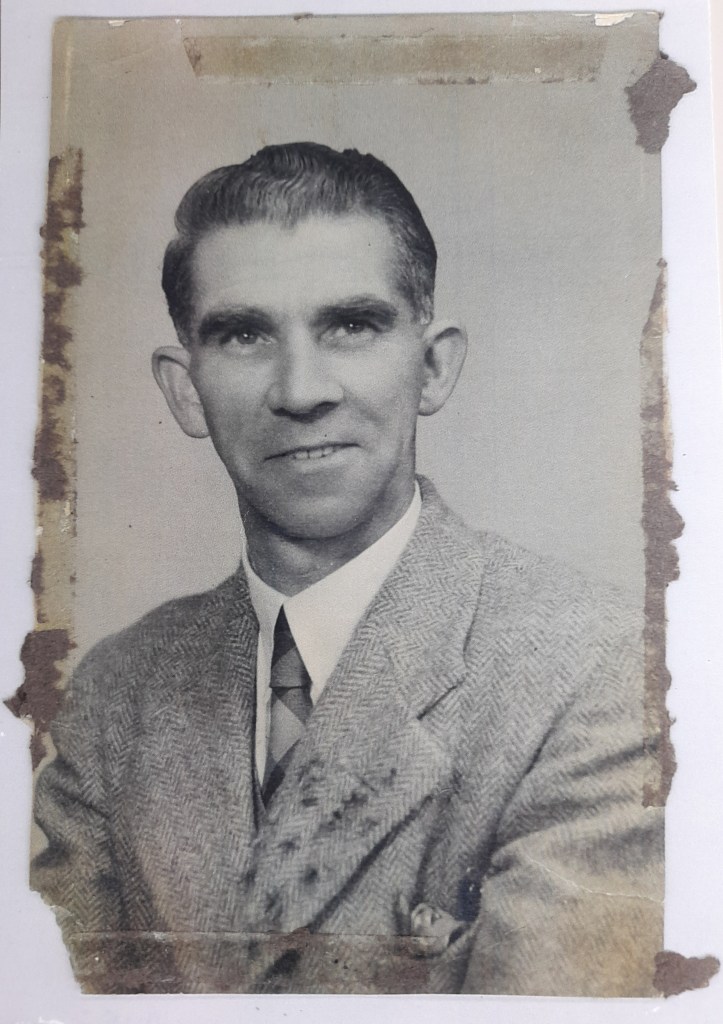
We had a whole stitching week thinking about the fish of the Lugg. Luckily for us, one of our distance stitcher’s Elaine, had become interested in the project because her Granddad Milton Roland ‘Cosmo’ Barrett (1895 – 1962) had been a famous fly fisherman on the Lugg which runs through Presteigne, and had invented two successful fishing flies. Below she tells his story and also provides us with a poem that she wrote in tribute to him.
Milton Roland Cosmo Barrett (1895 – 1962) with his fishing flies on his lapel which Elaine comments were not a comfortable ‘cwtch’ as a little girl!
Elaine gave permission to use the material she had posted to me about her Granddad that included his descriptive writing about the Lugg and his love of fishing, excerpts from magazines about him and fishing on the Lugg, and some of his writing and his fishing fly designs which she felt could be interesting to embroider in themselves. Her Granddad had moved from Crewe in 1926 and had a cabinet making / upholstery business Barrett Bros. of Presteigne and through this did much work in the local character houses, including one I used to work at, the Jacobian Manor house owned by Lord Rennell of Rodd in 1950’s and now part of Sidney Nolan Trust, the manor house being gifted to the nation in 2019 and so belongs to all of us!
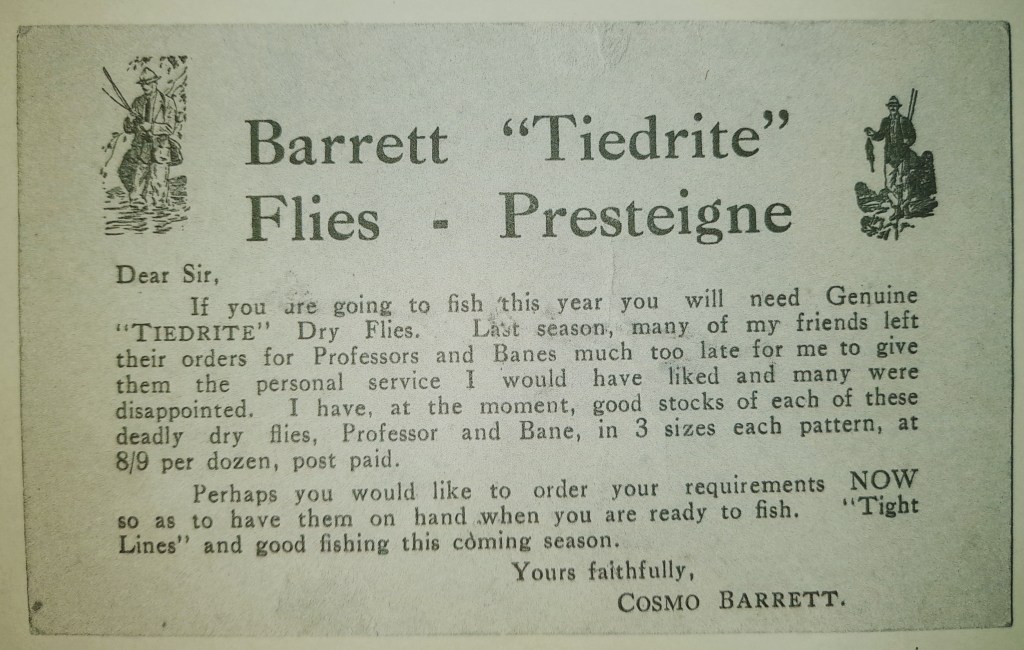
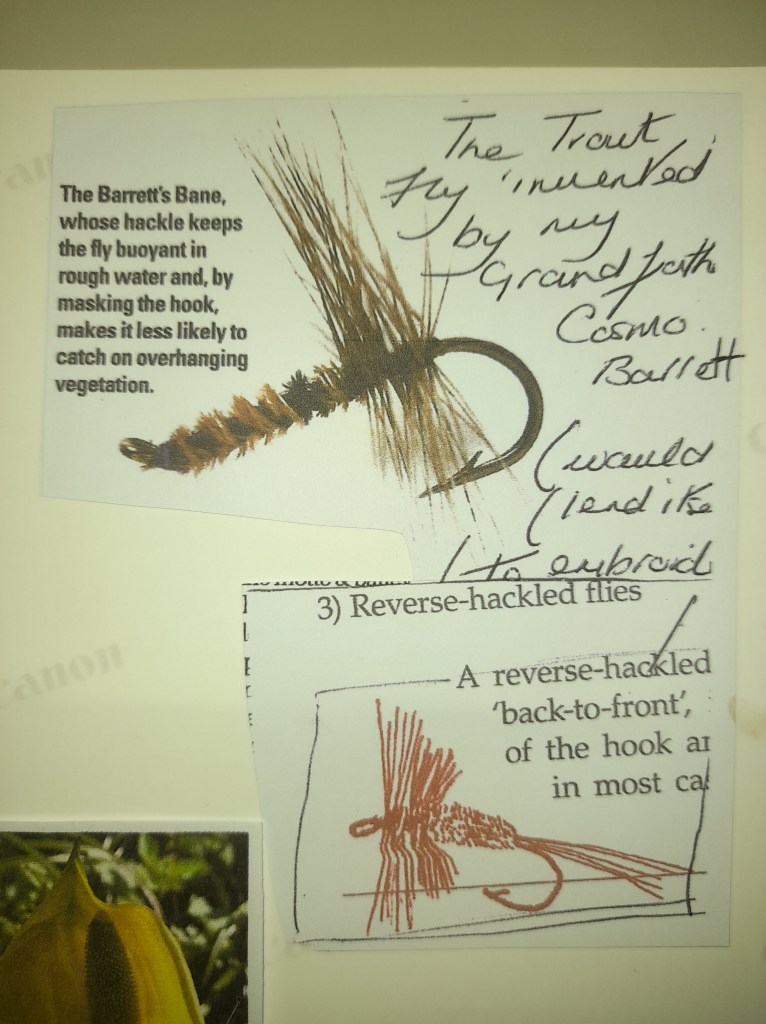
Cosmo’s fishing flies are called Barrett’s Bane and Professor. Here is his ‘Fishing card’.
Eliane’s Grandfather’s ‘Fishing card’The Trout fly ‘invented’ by Elaine’s grandfather Cosmo Barrett and a description of a reverse-hackled fly. ‘Famous flies and how to fish them‘ from Trout and Salmon magazine, April 1996, sent in by Elaine. Image of different flies from ‘Famous flies and how to fish them‘ from Trout and Salmon magazine, April 1996, sent in by Elaine.Reading from Heritage Flies newsletter (2016) sent in by ElaineHerirtage flies advertisment sent in by Elaine featuring the ‘Cosmo’ fly
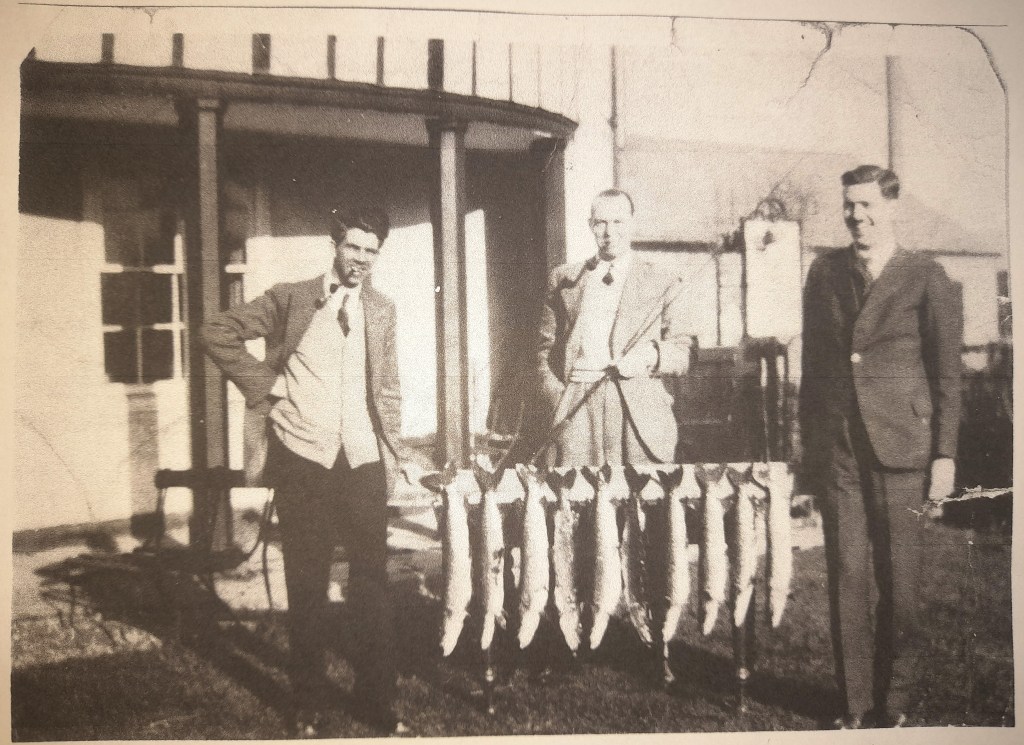
Here are some family photographs of Cosmo Barrett copied for us by Elaine.
Elaine’s photo of her Grandfather in his fishing ‘gear’Elaine’s photo of her grandfather in the garden of the Radnorshire Arms, Presteigne, he is on the left, circa 1930Elaine’s photo of Peter Flint (rod in hand) and her Grandfather Milton Roland Cosmo Barrett in a pensive, quiet, fisherman mode.
Elaine gives an example from her Granddad’s writing which she feels he wrote from the heart. His writing ‘Thoughts on Fishing’ by Milton Roland Cosmo Barrett was found in a Challenge Duplicate receipt book for his business.
‘The glowing warmth of the pale early Sun begins to revive the sleeping earth, later to penetrate to the dormant roots of the grass and flowers, gently releasing them from the Winter’s cold grip, inviting all nature to prepare to rejoice’
Cosmo Barrett
Elaine’s stitching and poem and snowdrop connection
Elaine went on to embroider two beautiful snowdrops for the project although she said it was such a long time since she had done any embroidery. She also shared a personal snowdrop link in that her Dad, Colin Barrett had been commemorated in his lifetime in snowdrops planted on the Warden in Presteigne by ‘Friends of Warden’ in his initials C.B. He had donated to the purchase of bulbs thinking they would be planted randomly! Elaine explains he in turn loved Presteigne and had done much for the town.
Elaine’s Dad Colin Barrett celebrated in snowdrops by his local community in Presteigne
Elaine then wrote her own poem as a tribute to her Granddad and Maggie kindly read it out whilst we stitched.
‘Amidst the Reeds’ by Elaine Millard 2022, read by Maggie Crompton
What of the fish in the river today?
Here’s a photo of a salmon caught in the Wye in 1996
Elaine’s newsclipping from January 26th, 1996
Elaine sent in a lovely article which I read to the stitchers from Trout and Salmon Magazine written by Jon Beer
Jon Beer’s writing about fishing in the Lugg in Trout and Salmon magazine. Image from John Beer’s article article sent in by Elaine.
Kate Green loaned me this book Trout in Dirty Places by Theo Pike which has a whole chapter about Leominster and the admirable work of the Angling trust, so I read this to the stitchers too.
Reading of chapter 18 from ‘Trout in Dirty places’ by Theo PikeI love this book title, book lent to me by Kate Green, includes a chapter about Leominster and the fabulous work of the legal team of the Angling Trust fighting for the ecology of Britain’s rivers.Photo of ‘a Kenwater grayling, sight fished with a tiny nymph betwen flowering rafts of ranunculus’, taken from Theo Pike’s Trout in Dirty Places book (2012:116)Photo of ‘A wild trout form the Kenwater’ taken from Theo Pike’s Trout in Dirty Places book (2012:114)
If you would like to read more about fishing and flies Elaine recommends two books: ‘Trout flies of Shropshire and the Welsh Borderlands‘ by Michael Leighton, and Fishing the Welsh borderlands by Roger Smith.
Huge thanks to Elaine for illuminating the life of fish in our rivers and sharing her Grandfather’s personal connection to the Lugg.
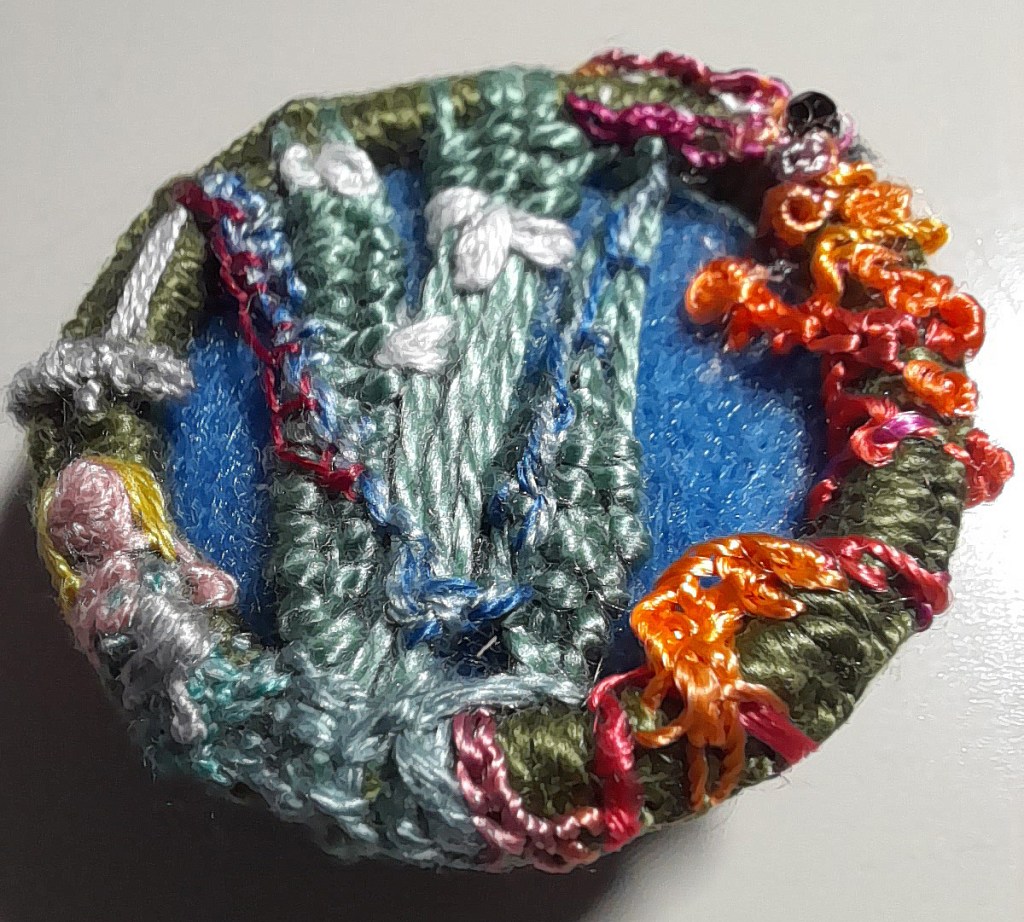
Meg’s Dorset button – a gift to me at the end of the project – spot the mermaid, the dragon, the river, the snowdrops, a sword and the river running red, all in an embroidered Dorset button just 3.5 cm in diameter.
On 10th, 14th and 16th March the three community groups heard a retelling or two of the legends of the River Lugg. I was lucky in that two of the stitchers kindly chose to re-tell the stories.
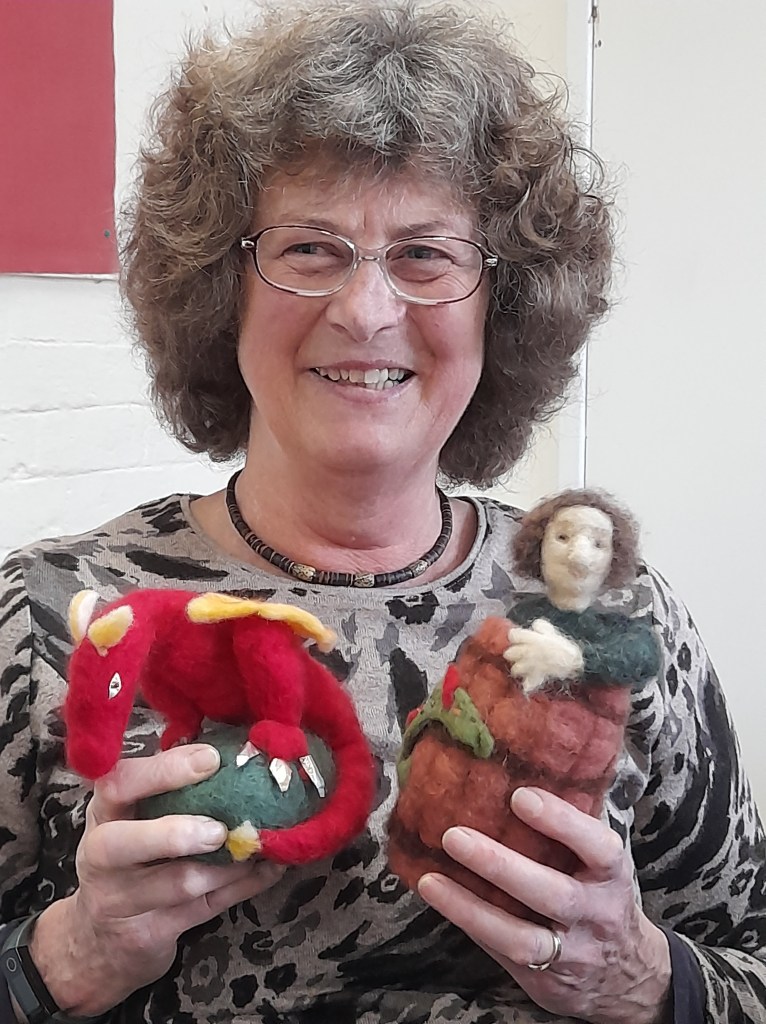
First up was Mary with the story of the Dragon of Mordiford, and I told about the stories of dragons generally in the Marches and the litle girl Maud who nurtured this wyvern (a dragon with two legs only). Mary then elaborated on the Dragon of Mordiford story with props, including some felted ones, see images below:
Mary with the hand-felted props
The dragon egg
Dragons across the Marches, Maud & the Dragon of Mordiford, right by the River Lugg A few notes about dragons in the landscape
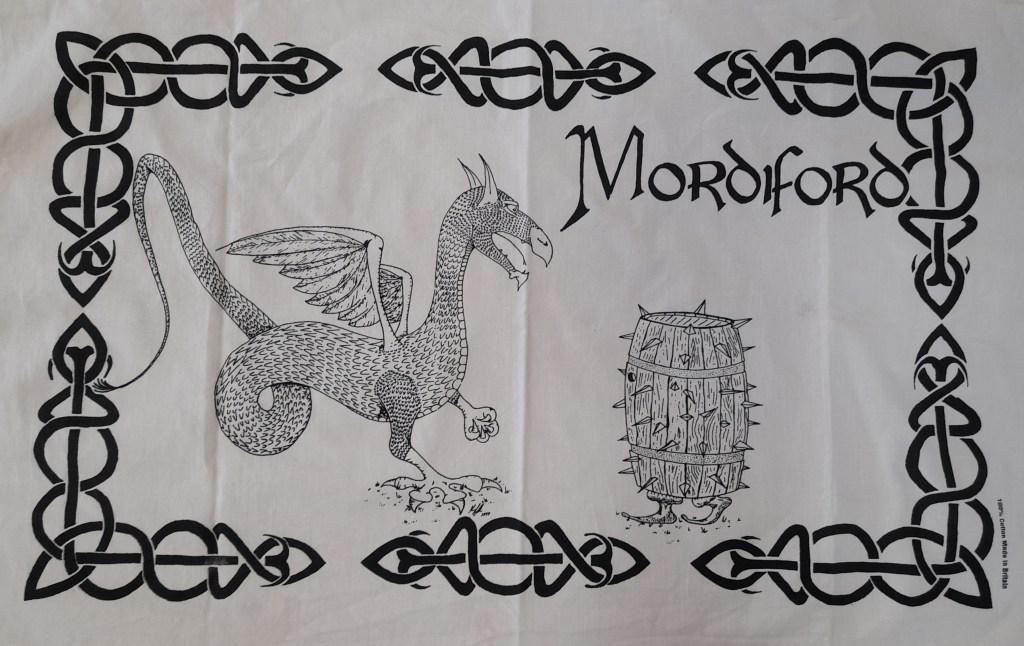
Tea towel brought in by Jill, part of a recent retelling by the village of Mordiford’s latest work to tell the story of the Dragon
Then Chris retold the Mermaid of Marden, drawing on material from a wonderful project she had completed with Marden schoolchildren when she was teaching.
Chris telling the Legend of the Mermaid of Marden
Chris telling the story of the Mermaid of Marden
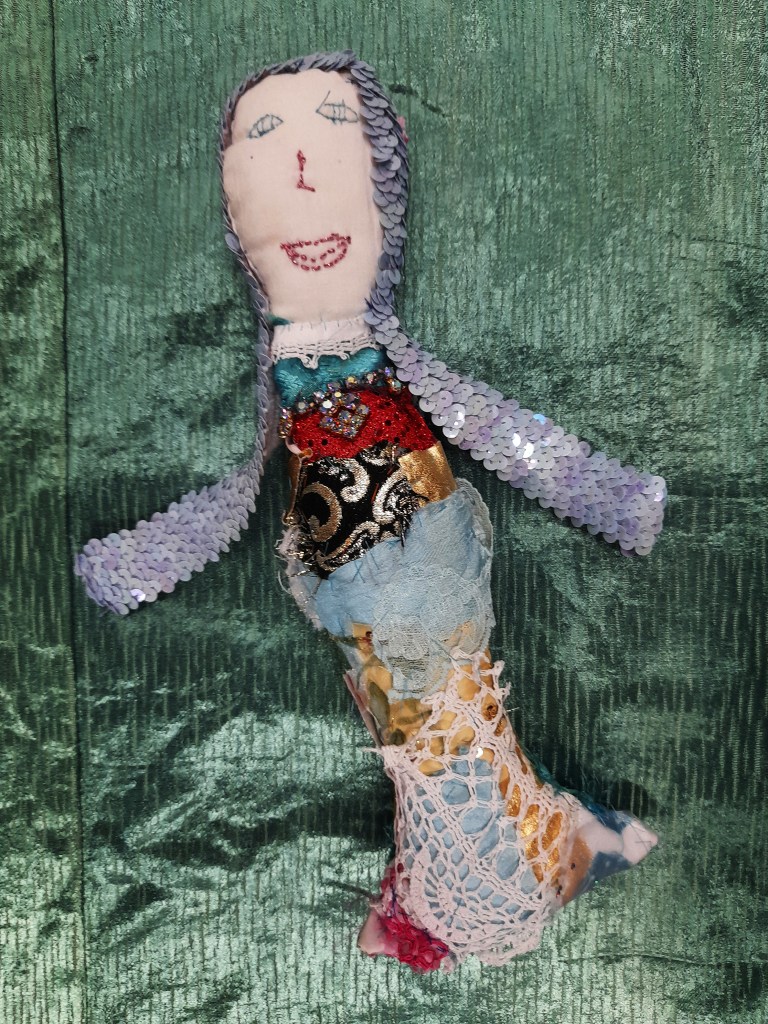
The stitchers at Rose Tinted Rags loved hearing this recording of Chris’s story, we listened to it an extra couple of times! One stitcher had also brought in a beautiful mermaid she had previously made and we took its photo against all the iridescent fabrics surrounding us in this wonderful workshop/shop, here by Hereford Bus Station.
Image from Rose Tinted Rags Facebook page
Mermaid previously made by stitcher at Rose Tinted Rags
On 7th and 17th March we listened to several readings on a theme of water whilst we stitched.
First up, please listen to the two wonderful poems by our stitcher Maggie Crompton. The first is called A year beside the river and she has put it together from twelve of many haikus she wrote during 2021. Haikus are the Japanese poetry form that require a poem of 17 syllables in three lines of five, seven and five, and traditionally conjure images of the natural world. Her second poem is a treat, ‘The Water of Life‘ summing up I think all the things we have been talking about in these stitching sessions. Maggie is a wonderful wordsmith and we are so grateful for her sharing these amazing poems.
Maggie Crompton’s ‘A year beside the river‘
Maggie also read a poem about snowdrops which Jill had brought in, having had it framed with a picture on the wall for years but not really noticing it.
Maggie Crompton reading the poem about snowdrops Jill brought in from her wall at home
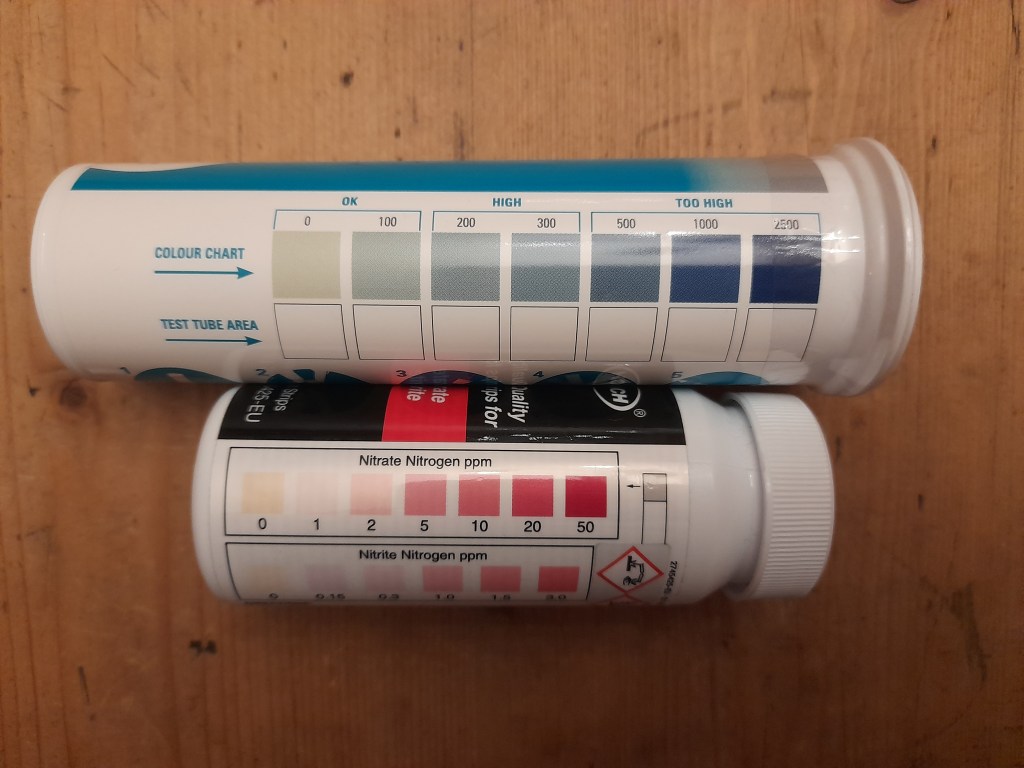
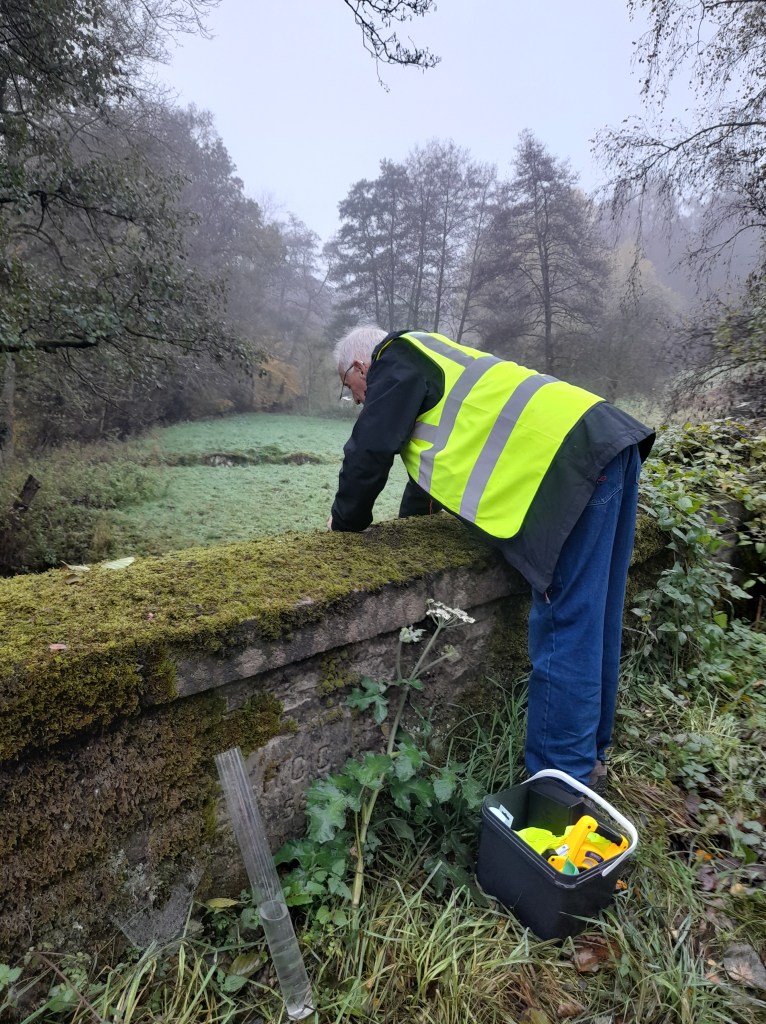
On the Monday evening I demonstrated the phosphate and nitrate tests currently used by CPRE in their Citizen Science Project. I drew up some Lugg river water in a jug at the Priory Bridge next to the Community Centre where we are stitching.
Priory bridge in Leominster when Lugg levels were highPhosphate and nitrate colour charts, which match my Mortimer’s Cross millsack embroideries quite by chance! My CPRE volunteer buddy collecting a sample from the Humber Brook (old arches of Roman bridge just visible in background) Cylinder to measure turbidity of water, taken as the height of a column of water at which the black and white disc at the bottom of the column is no longer visible.
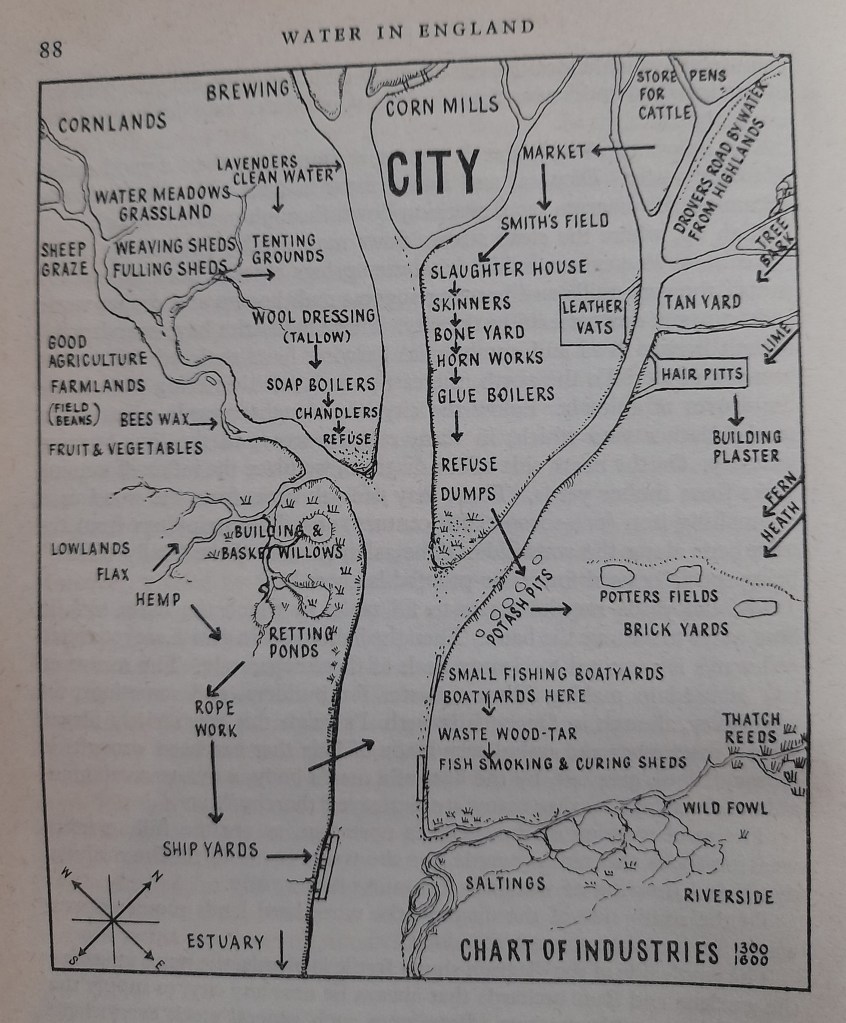
I showed the detailled drawings by English social historian Dorothy Hartley (1893- 1985) in her book published in 1964 ‘Water in England‘ documenting the smallest details of water management in our country through the ages. Her drawings and observations notice everyday details through to larger management schemes.
Dorothy Hartley’s Diagram of a city’s water, as needed for a city’s industries, Water in England (1964, pp.88)
I read Dorothy Hartley’s passage called ‘The leading of water over the hills’ which tells of the water diverting skills of the agricultural hillside workers that they took with them in the Industrial revolution to hep drier lands.
Dorothy Hartley’s writing ‘Leading of water over the hills‘ p 166-168, Water in England, 1964
I re/introduced the work of Rachel Carson in her book Silent Spring, now sixty years old and her writing ‘A fable for tomorrow’.
Rachel Carson’s ground breaking book published originally in 1962About Rachel Carson and a reading from her book Silent Spring (1962) – A fable for tomorrow.
I also read Rachel’s words about ‘Ground water’
Rachel Carson’s writing on Groundwater, from Silent Spring (1962)
As well as reading the second part of the Seventh Song of The Poly-Olbion poem – see earlier blog – Robert read a poem of his own about a place along the Lugg that he visits regularly.
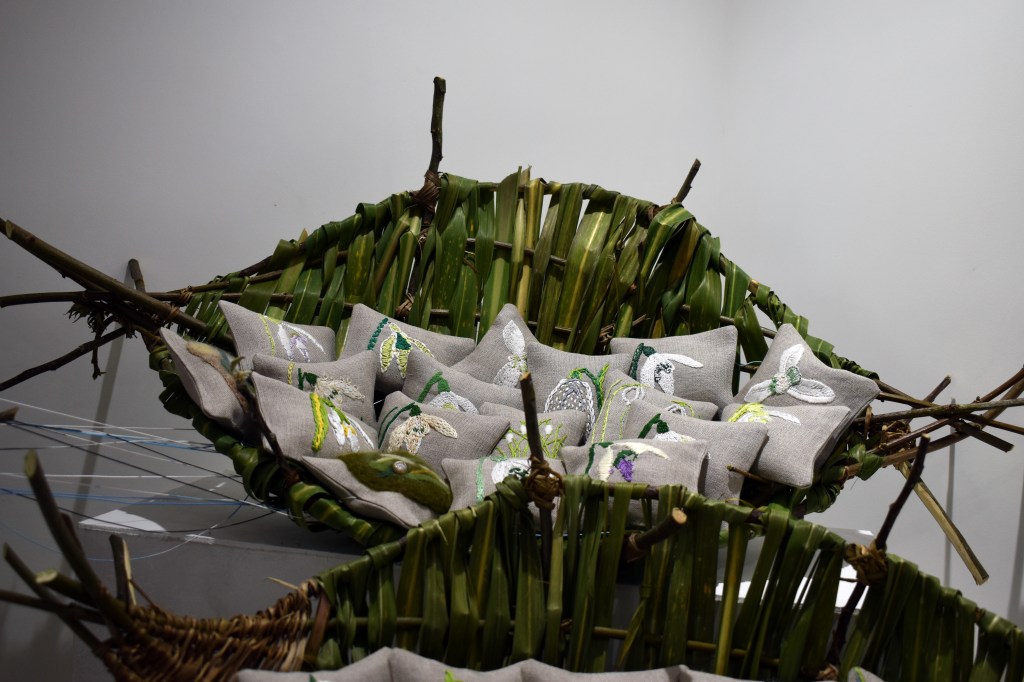
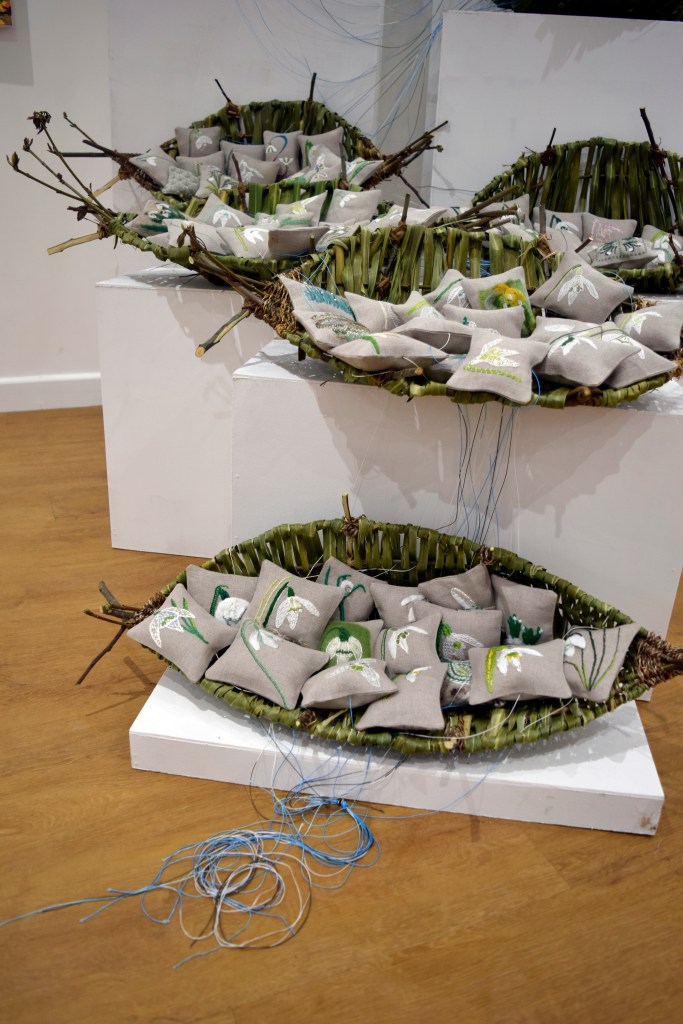
I have lots of blog posts to catch up on from the past few sessions, but am posting some images below of the exhibition that has been on for the last 3 days, and de-installed this morning. I have posted a lot of images as not all the stitchers have been able to visit the exhibition but may want to spot their snowdrop/s in the installation.
It took most the day to stitch the snowdrops and baskets together
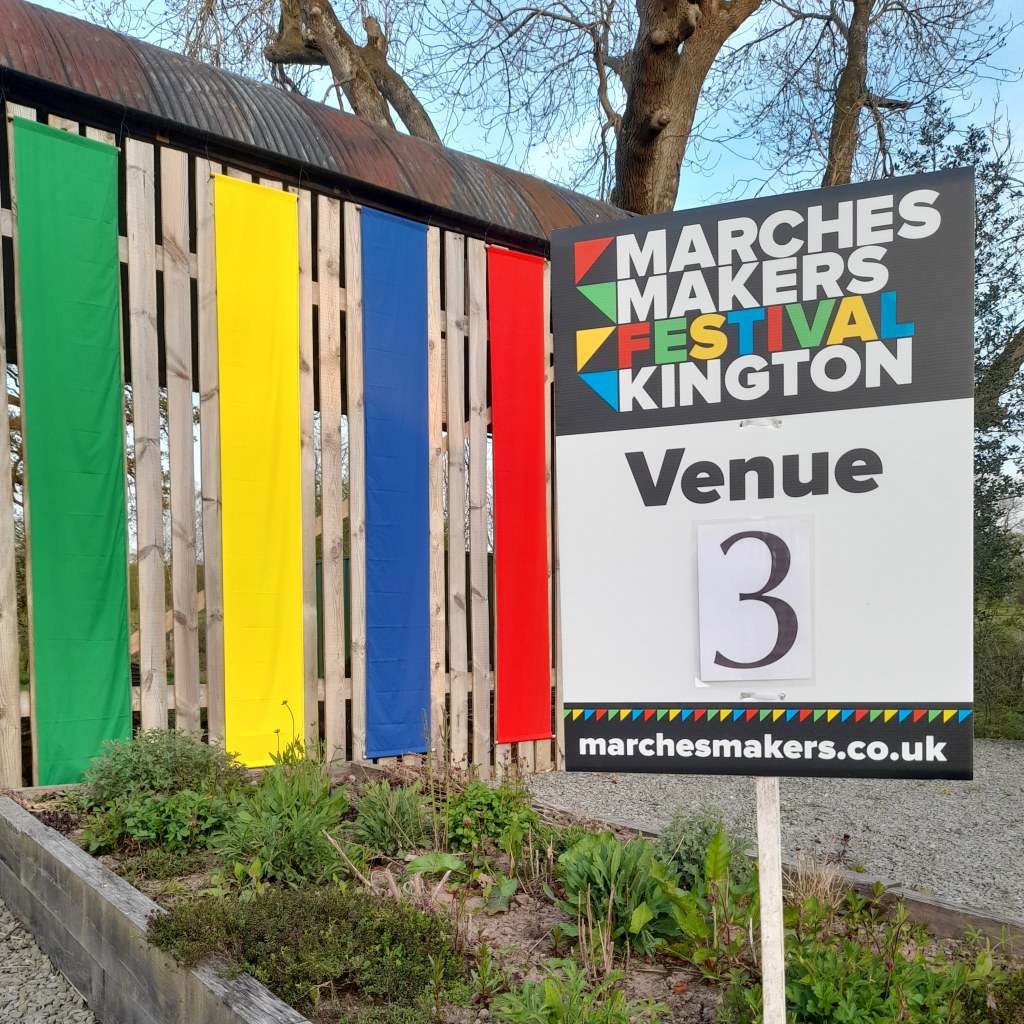
It was exhibited alongside other artists work on a theme of nature, at Birches Farm Nature Reserve Visitors Centre, which is owned by Herefordshire Wildlife Trust.
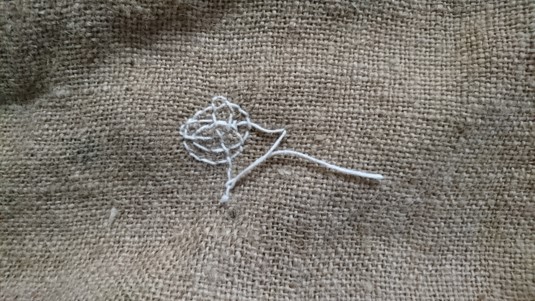
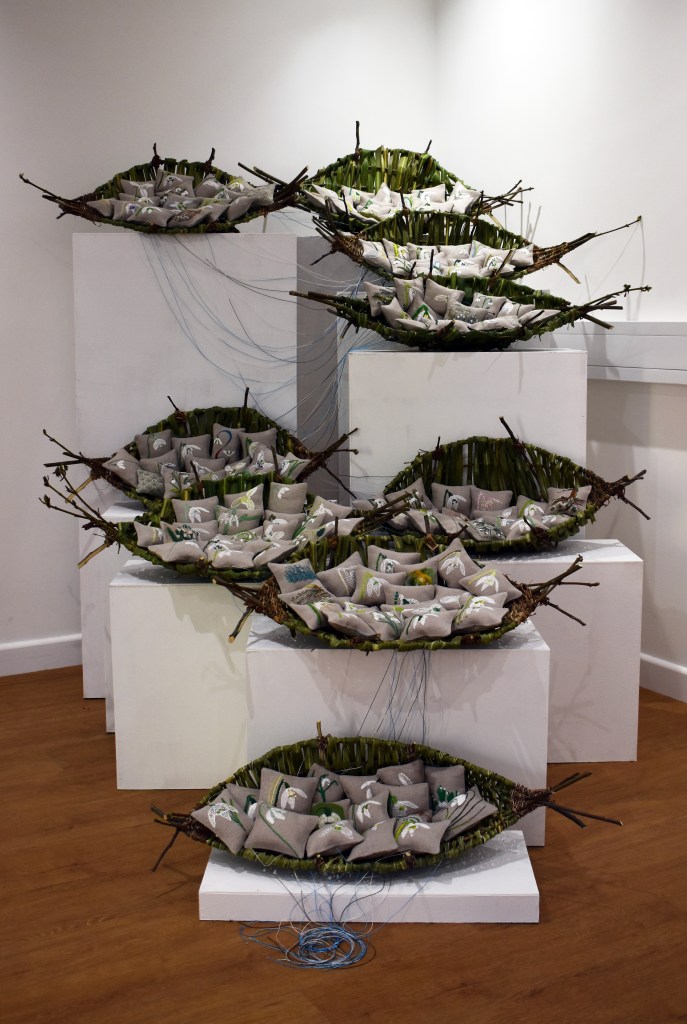
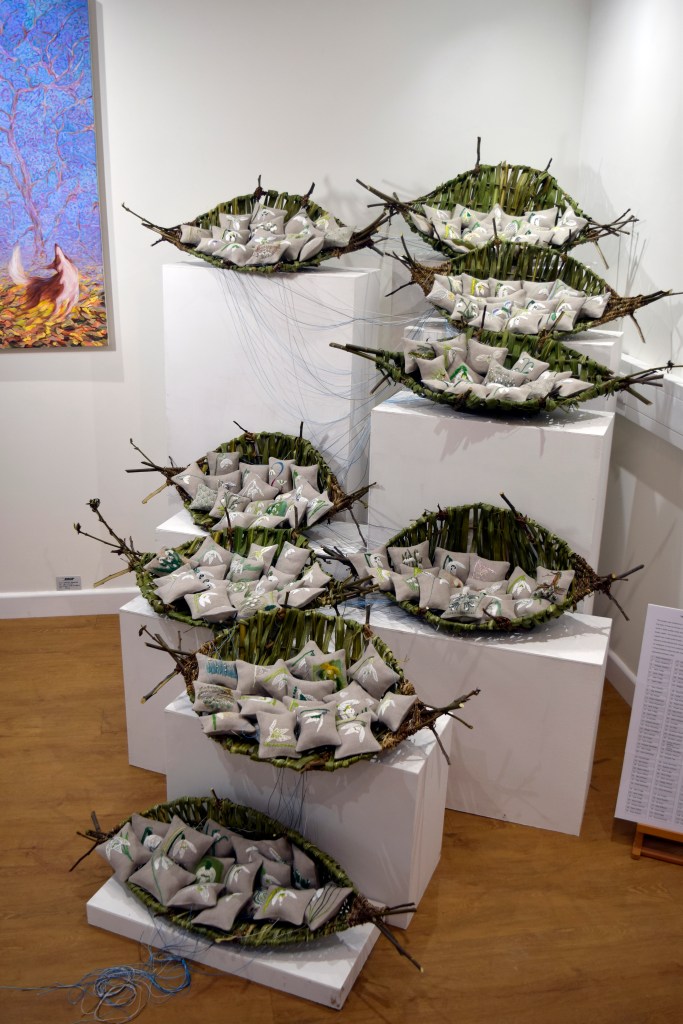
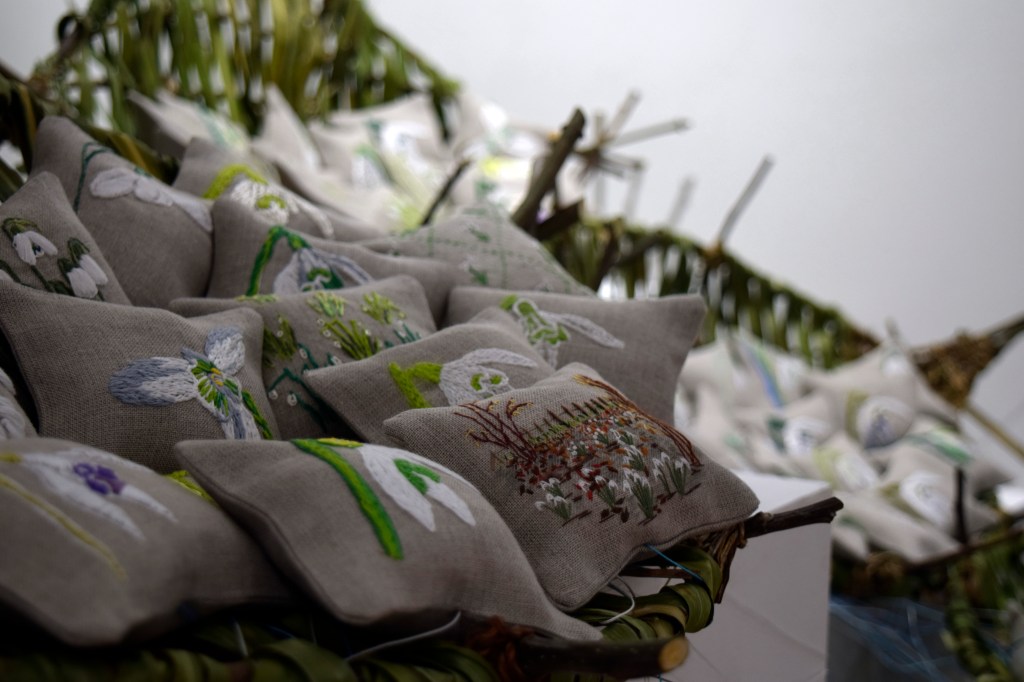
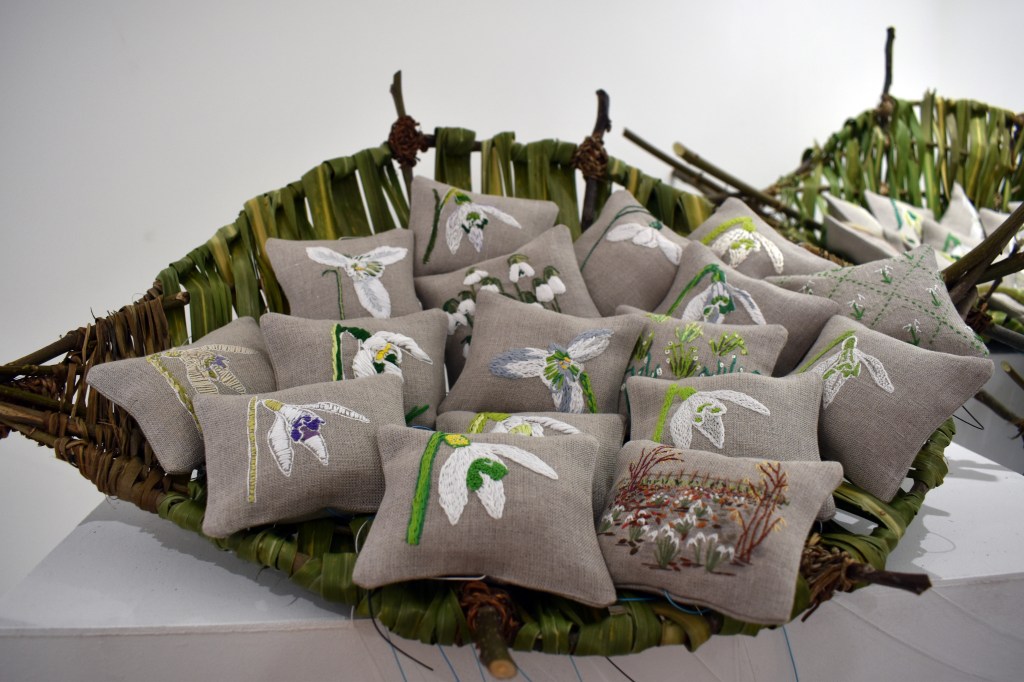
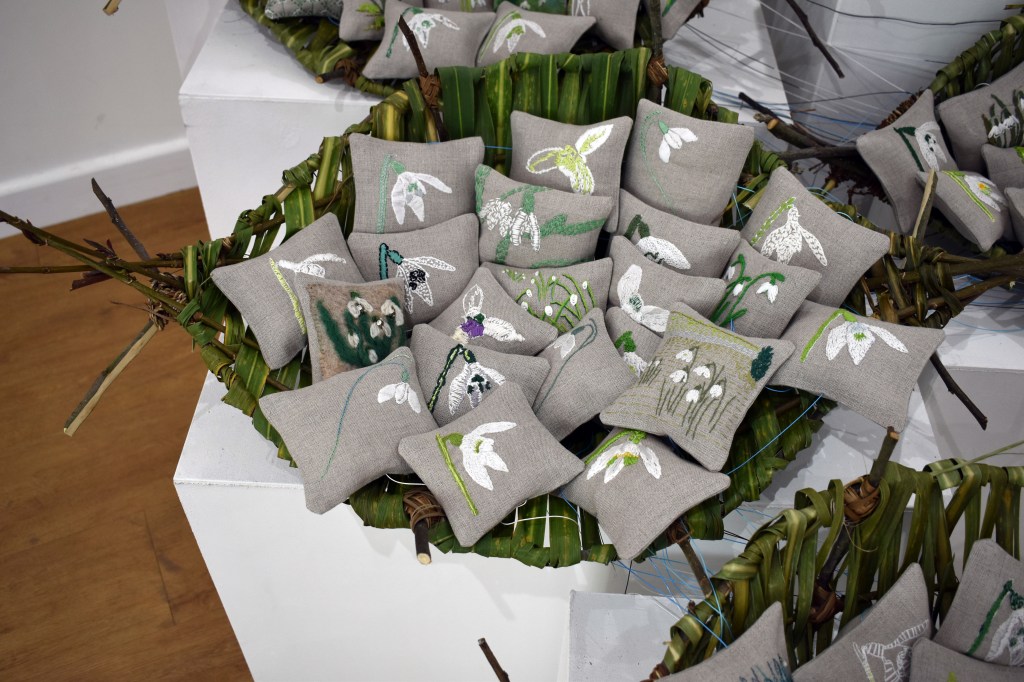
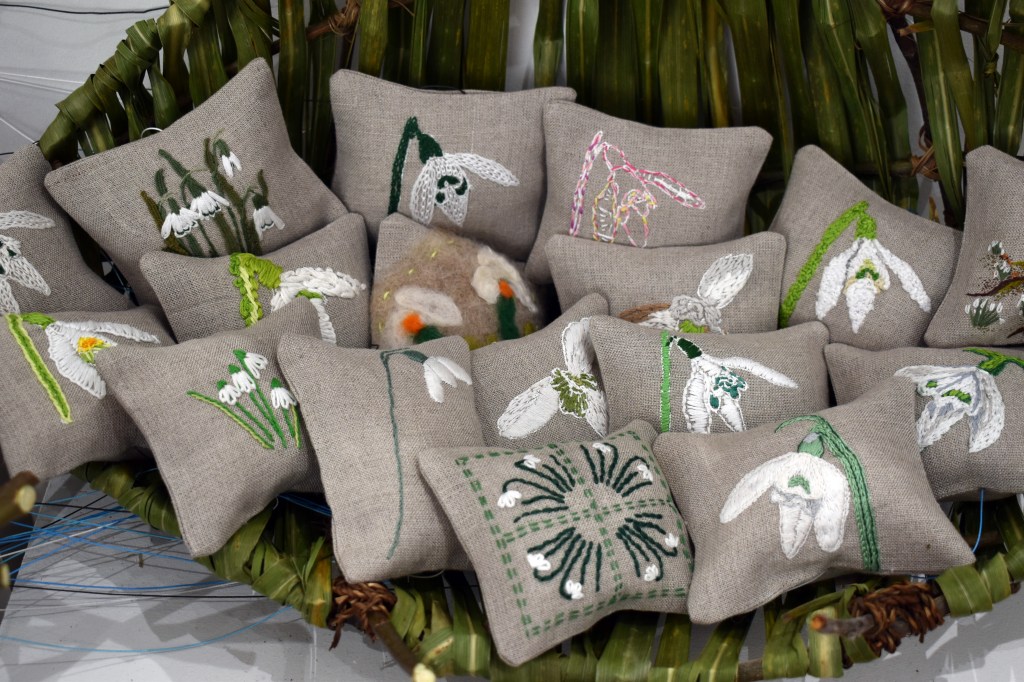
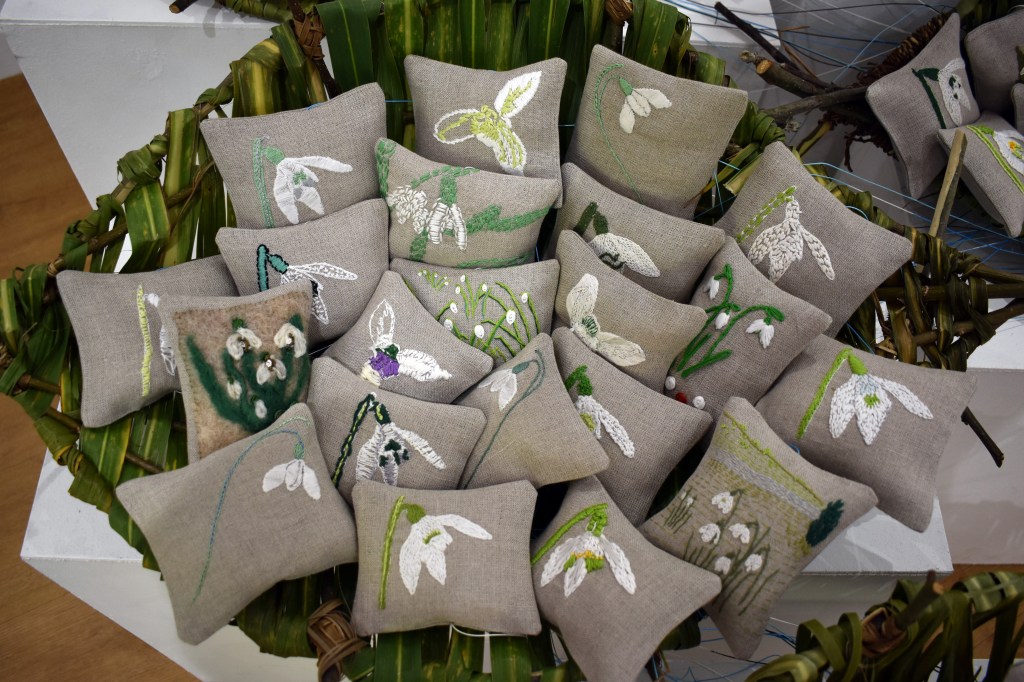
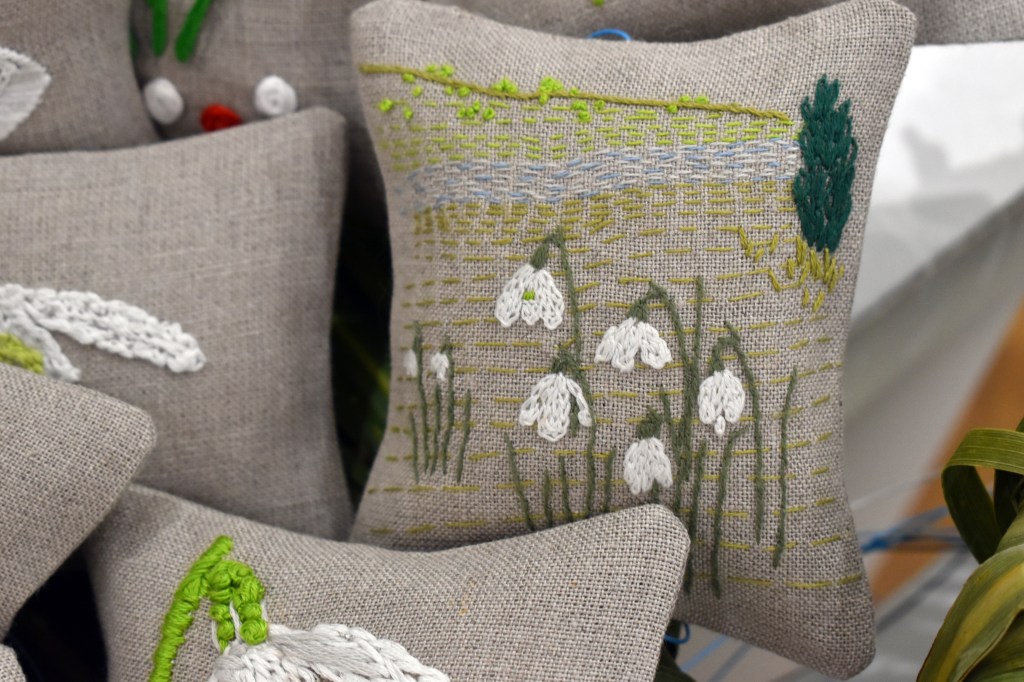
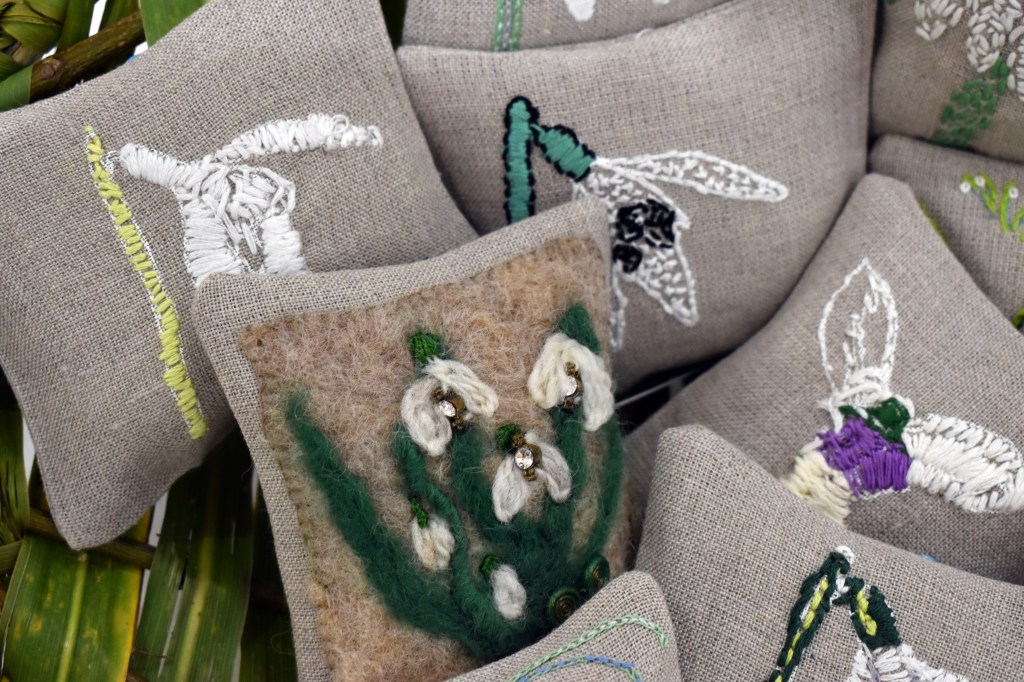
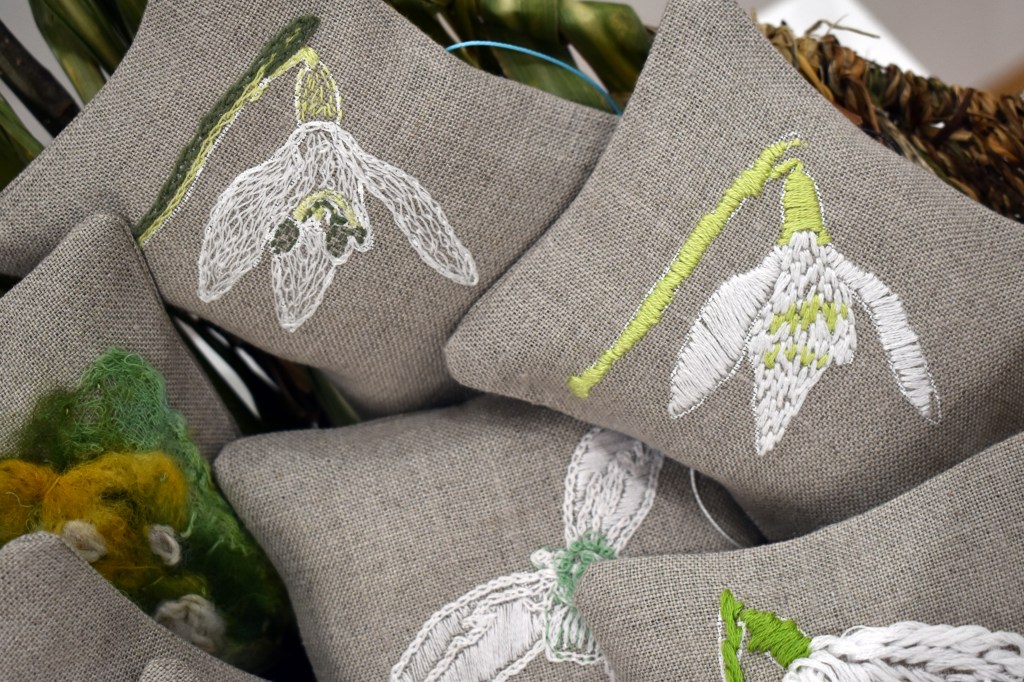
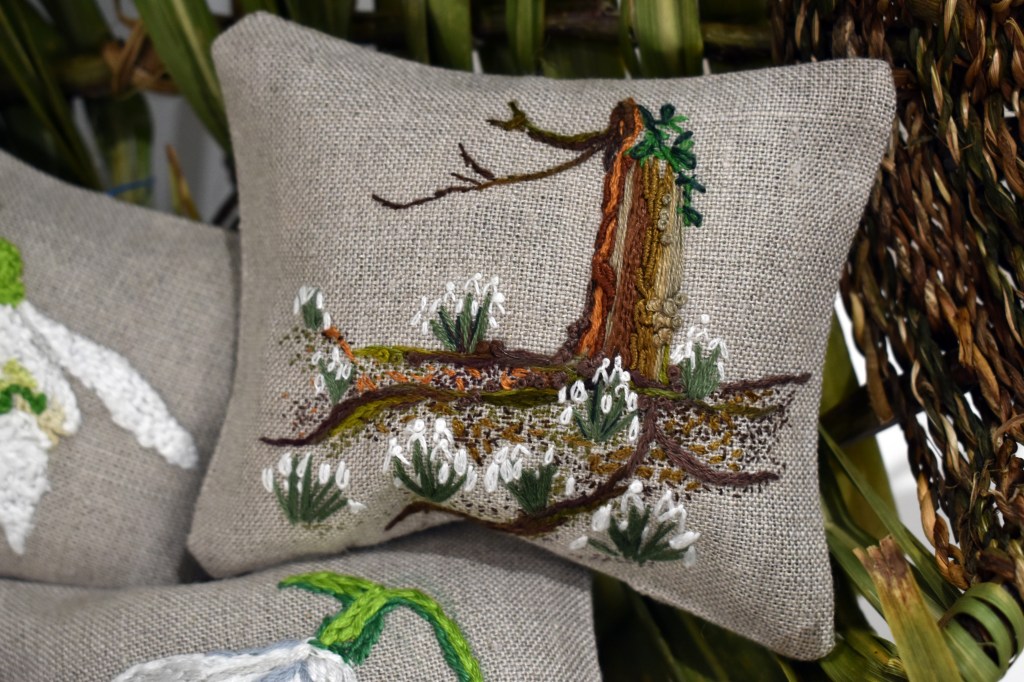
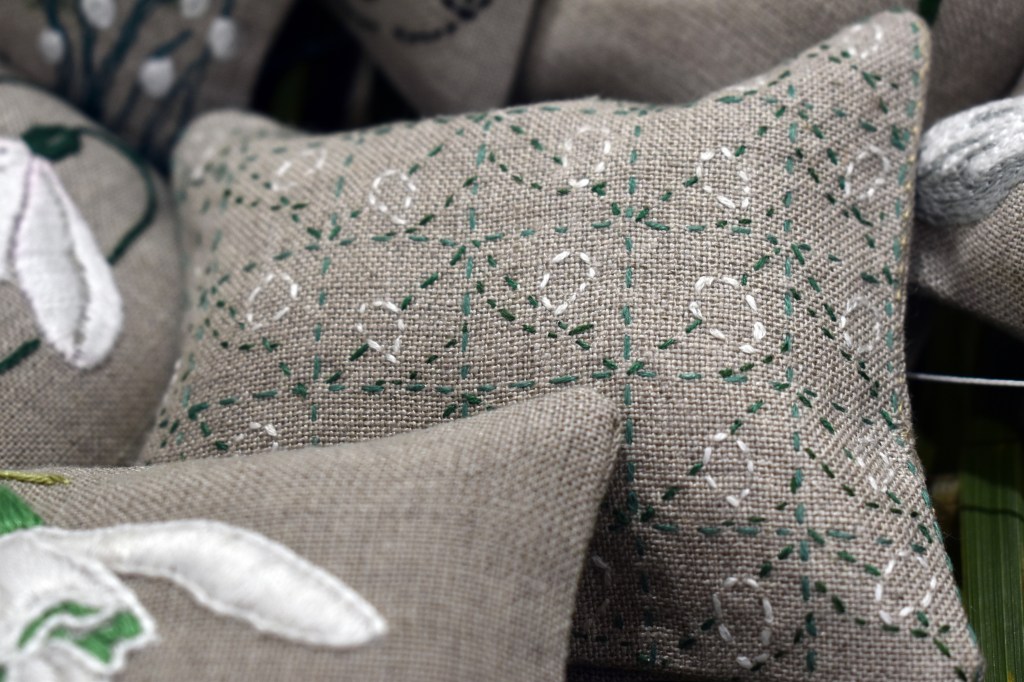
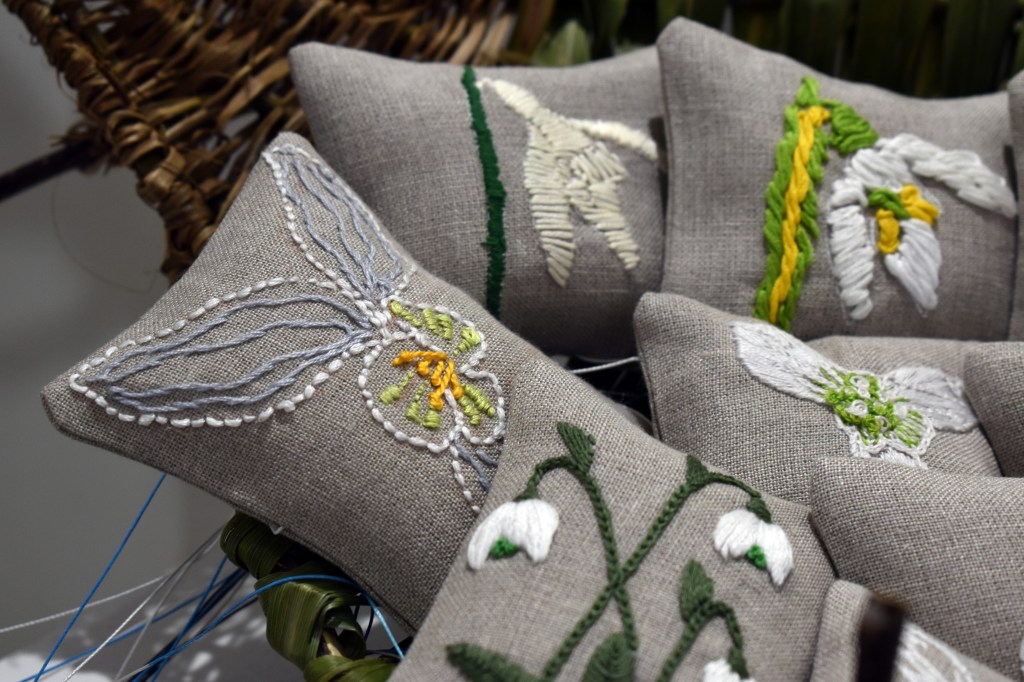
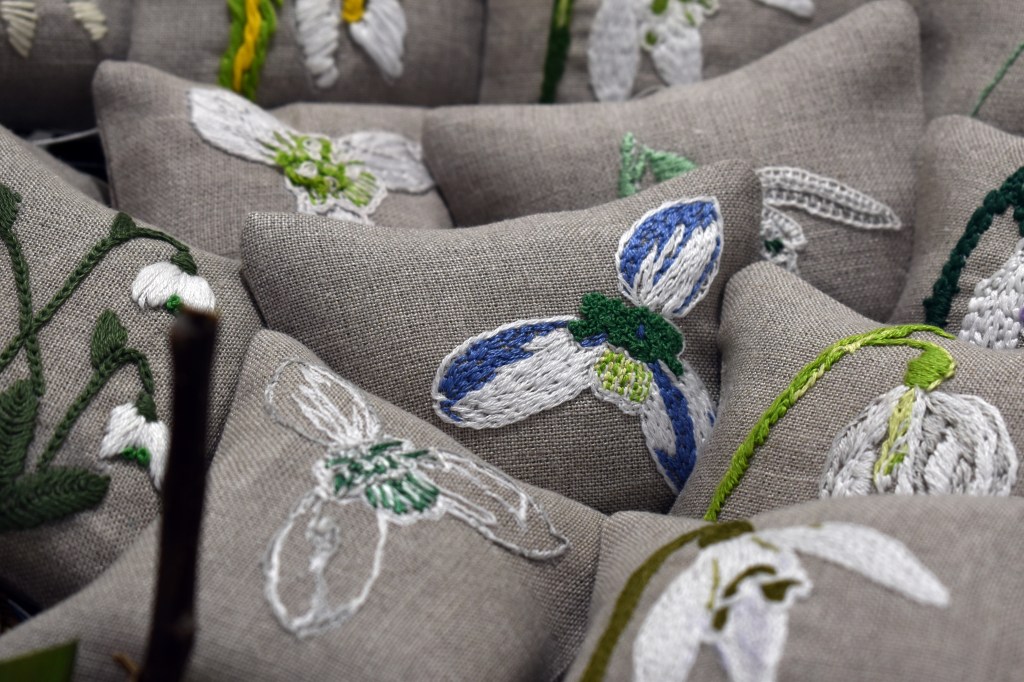
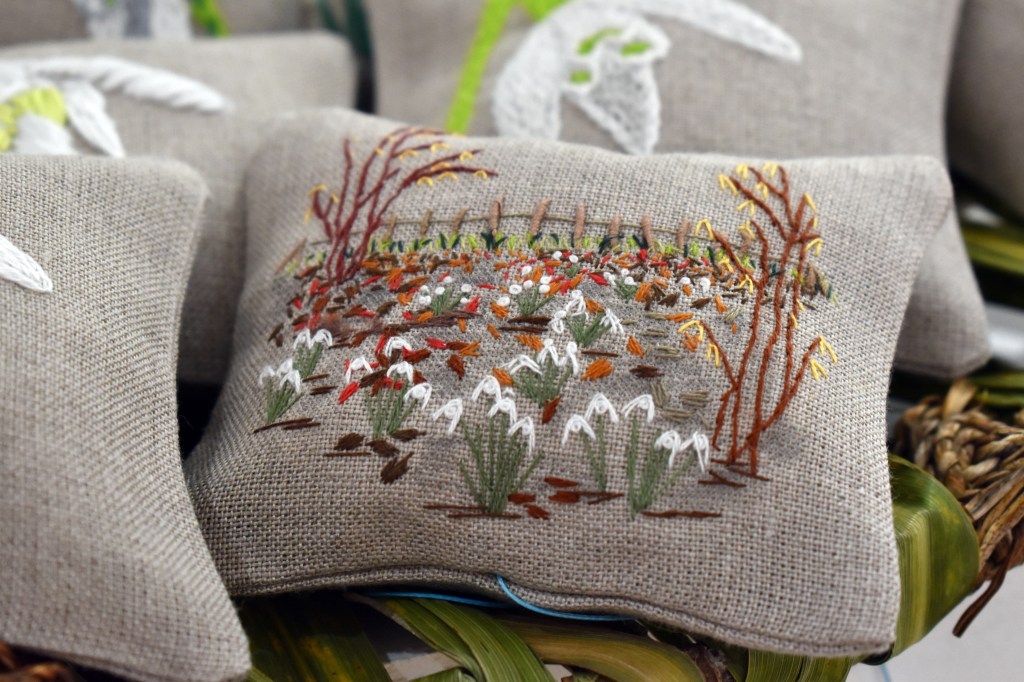
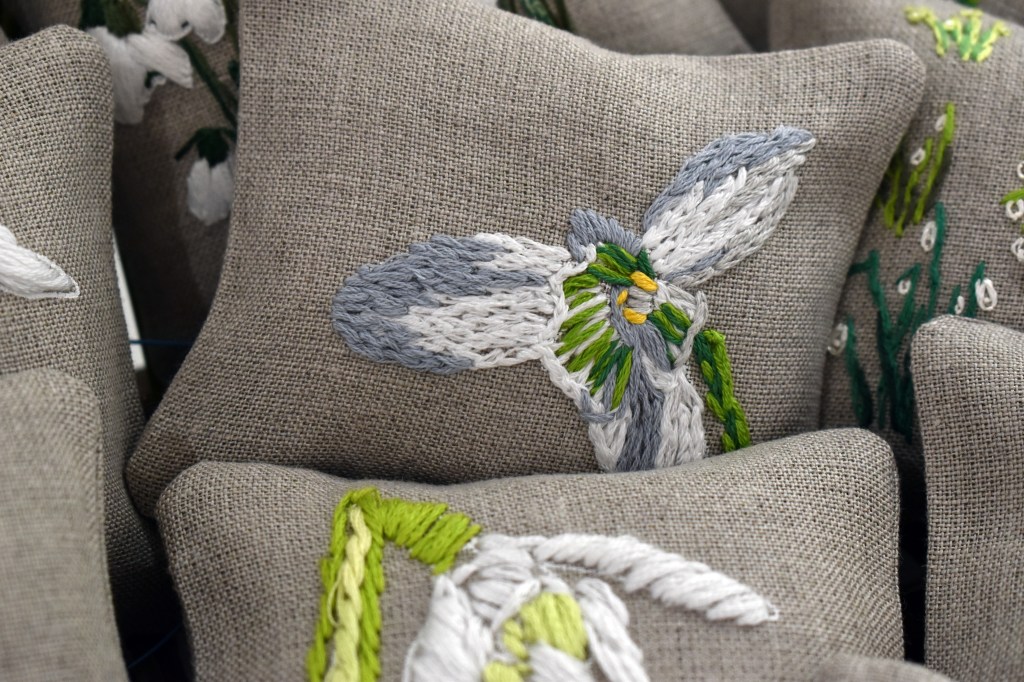
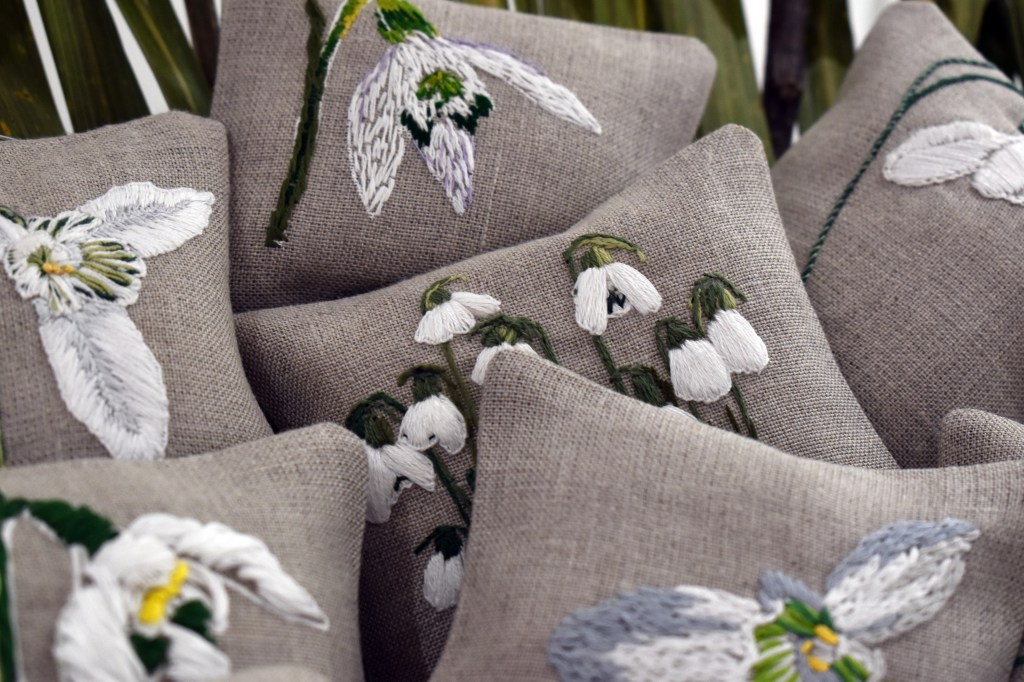
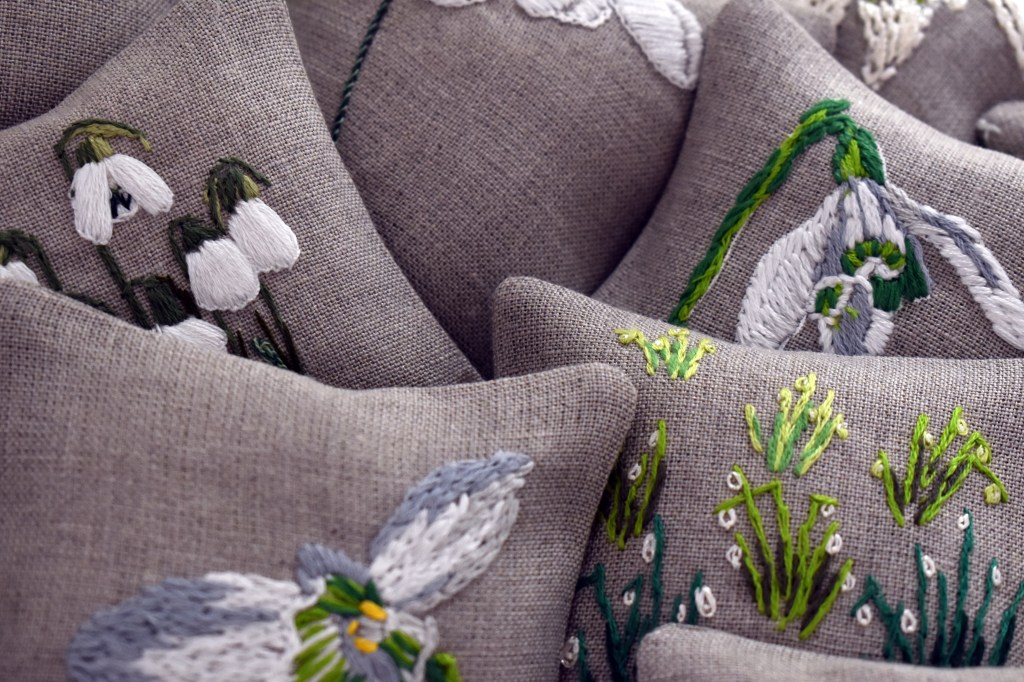
Here are the 158 snowdrops stitched by 42 stitchers, displayed in strewing baskets
A bit dishevelled on the last day of the festival
Starting at the lowest basket and working upstream….
and flowing back downstream…
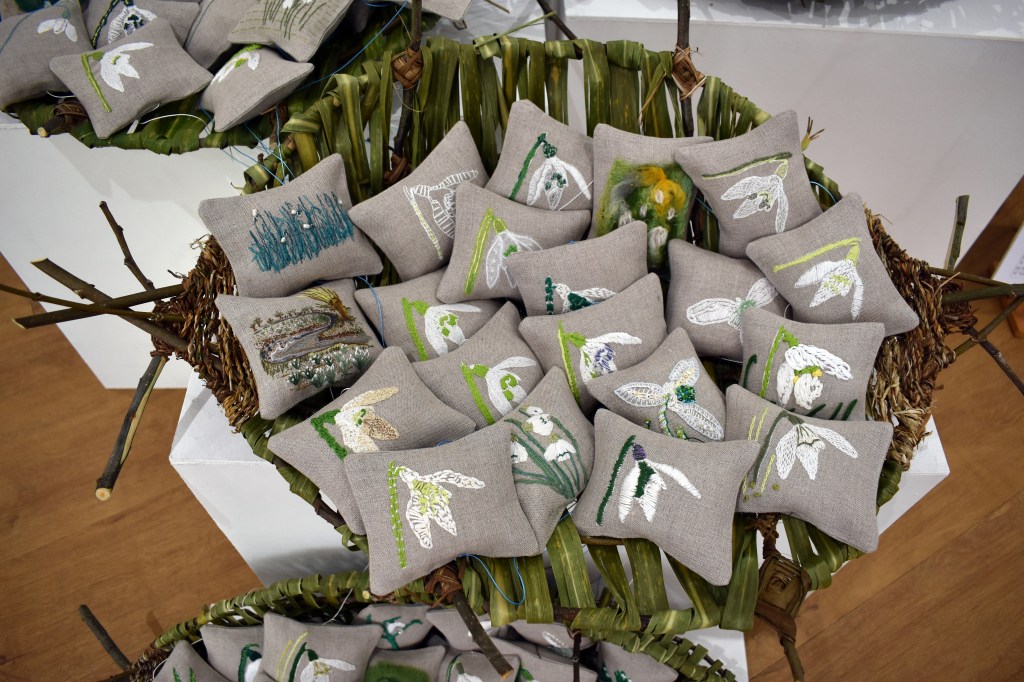
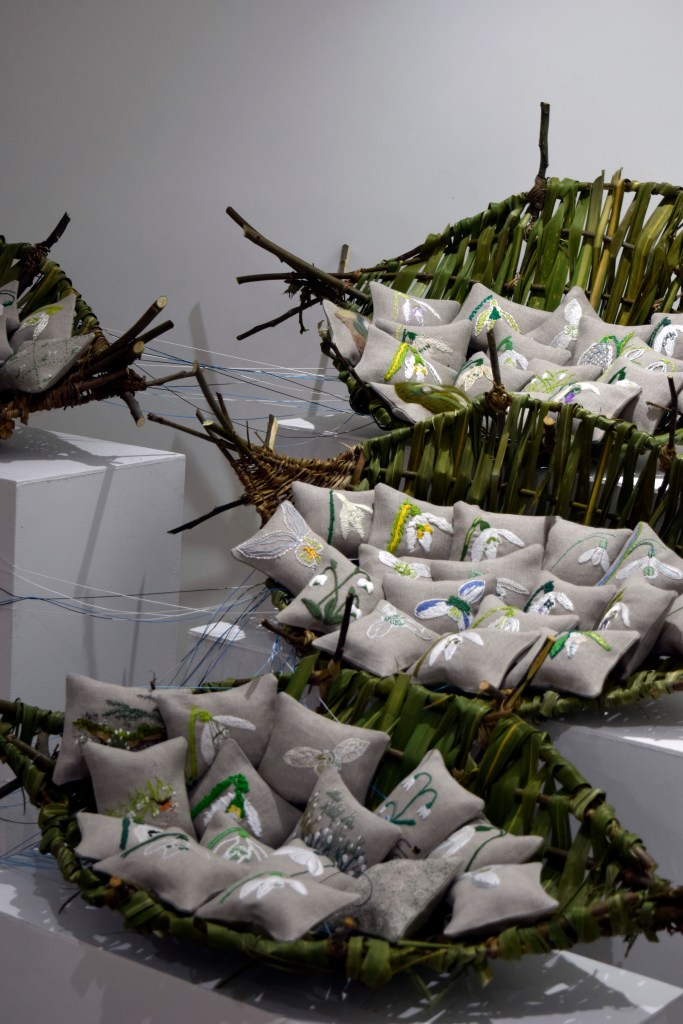
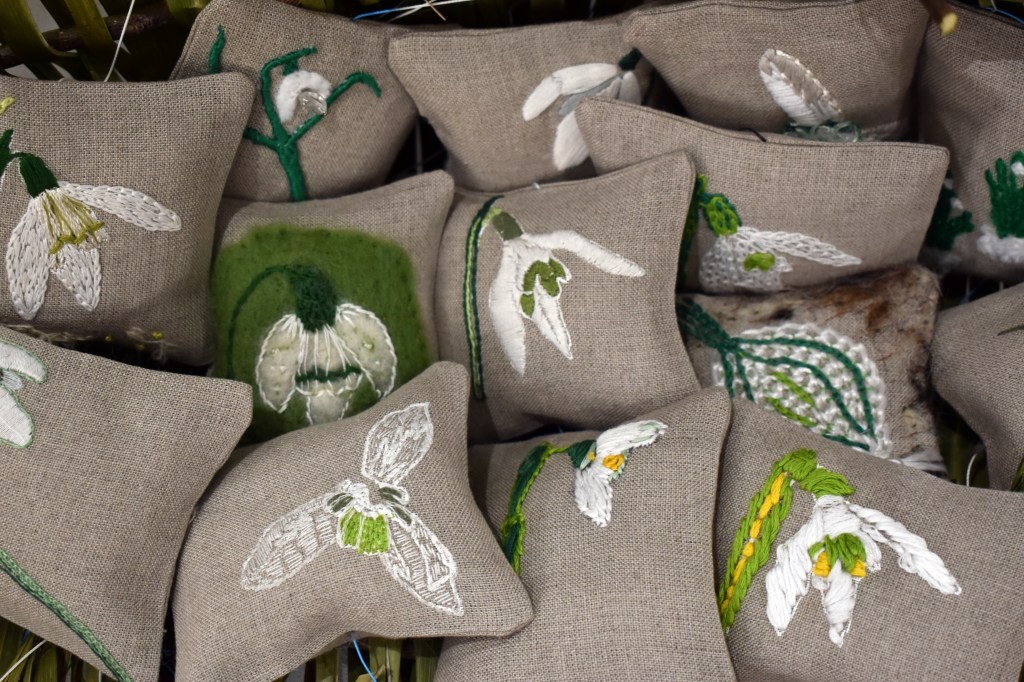
Close ups of baskets….
Details of individual snowdrops
The exhibition was visited by many of the stitchers and a book of visitors comments collected. On the last day there were 77 visitors, and about another 100 across the previous two days.
Each snowdrop was numbered on its back, embroidered in a corner, and a display board detailled the stitcher behind each numbered snowdrop.


















































 The Lugg Embroideries